Irish hotel restaurants and the quiet luxury of autumn seasonal dining
Irish hotel restaurants come into their own in autumn, when evenings lengthen, turf fires are lit and the first storms roll in from the Atlantic. This is the moment when an Irish hotel can feel less like a stopover and more like a private club, with guests lingering in the bar while the chef sends out small plates that read like a map of coastal Ireland. For business travellers extending a stay in Dublin or leisure guests escaping to a castle retreat, the most memorable dining experience often begins with a room key rather than a restaurant reservation.
Across hotels Ireland wide, the better hotel restaurant teams treat autumn dining as a season with its own tempo and its own palette of Irish produce. Native flat oysters return to the menus in the months with an “r”, wild mushrooms appear beside slow cooked beef, and fish from the western bays shares space with root vegetables that have actually seen Irish soil. When you choose an Irish hotel for this time of year, you are not just booking an address and a bed; you are buying into a rhythm of service where the cellar bar, the dining room and the lobby fire all work together to frame the plate.
In practice, that means you will find a hotel restaurant offering tasting menus that change several days a week, sometimes even nightly, as local produce arrives from nearby farms and boats. The best chefs understand that awards matter less than the quiet authority of a perfectly poured stout beside hand cut chips and a piece of battered fish that still tastes of the Atlantic. For travellers who care about Irish cuisine and provenance, choosing an Irish hotel in autumn is one of the most reliable ways to experience year-round Irish food culture without leaving the comfort of a polished lobby.
Native oysters, western bays and why autumn belongs to the hotel restaurant
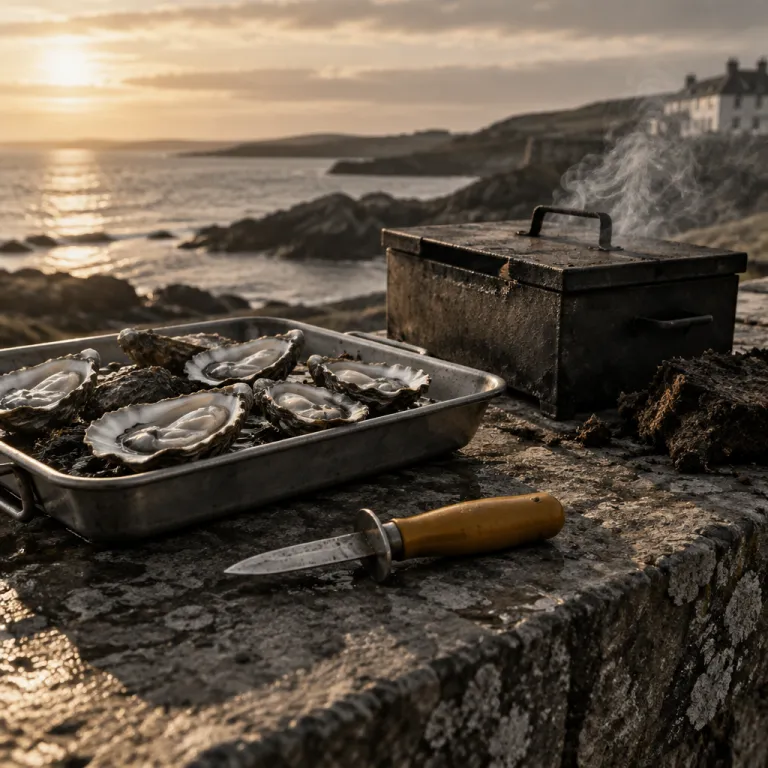
Along the western seaboard of Ireland, autumn dining in Irish hotels is built around the return of the native flat oyster. These wild shellfish thrive in sheltered bays such as Galway Bay, Clew Bay and Carlingford Lough, and their heavy, mineral flavour is what pulls serious diners to coastal hotels once the air cools and the daylight shortens. Rock oysters are available all year, but the native flat oyster (Ostrea edulis) is the one that makes guests plan a trip around a single table and a single bar stool.
Hotel restaurants near Galway Bay, Carlingford or Tralee rarely shout about it, yet their autumn seafood quietly rivals city restaurants in Dublin when the first trays of native oysters arrive. Chefs in these hotels know that “Why must there be an ‘r’ in the month to eat native oysters? Native flat oysters spawn in summer so best eaten Sept-Apr”, a rule echoed by Bord Iascaigh Mhara and other Irish seafood guides, and they build a dining experience that respects that rhythm. A good Irish hotel on the coast will offer both native and rock oysters, allowing guests to read the difference in texture and salinity in a way that no quick city bar snack can match.
For the business leisure traveller, this makes planning simple; choose hotels Ireland side where highlights include a serious oyster programme, a cellar bar with a proper list, and a room you actually want to return to after dinner. Many properties now treat the hotel restaurant as a destination in its own right, with menus that move from oysters to fish and hand cut chips, then on to slow cooked game. If you are considering a private event or client dinner, look to coastal properties in Kerry or along the Wild Atlantic Way and use a specialist guide to top venues for private dining in Killarney hotels to align the right room with the right kitchen.
Turf smoke, open fires and the return of real provenance
Autumn in Ireland is when turf smoke returns to the air, and Irish hotel kitchens increasingly reflect that in their menus. Turf, or peat, has heated rural homes for generations, and some hotels now use controlled turf smoke to season fish, oysters and even vegetables. The effect is subtle but unmistakable, adding an earthy depth that makes a plate of battered fish and cut chips feel like it belongs to a specific bog and bay rather than to a generic restaurant anywhere.
In the better hotels Ireland wide, provenance has moved beyond a line on the menu and into the structure of the dining experience itself. Chefs work directly with oyster fishers, gamekeepers and growers of local produce, often visiting bogs where turf is cut in summer and talking through sustainable harvests with conservationists. When you sit down in a castle dining room or a discreet city hotel restaurant, the bar snacks, the fish course and even the bread service often trace back to a handful of named suppliers whose work the chef could discuss for a full year.
For travellers used to corporate dining, this level of detail can be a quiet shock, and it is worth seeking out hotels where highlights include turf smoked oysters or fish cooked over open flame. These kitchens tend to treat Irish produce with respect, whether that means native oysters, grass fed beef or root vegetables roasted slowly until their sugars concentrate. If you want to understand how sourcing works at its peak, read a deeper guide to farm to fork at five star level and then apply the same questions to the autumn dining menus you encounter.
Planning a trip around one great table and a good room
For the executive turning a Dublin meeting into a long weekend, autumn dining in Irish hotel restaurants offers a simple strategy; choose the hotel restaurant first, then the room. Start by deciding whether you want a city address within walking distance of galleries and bars, or a rural castle where the nearest neighbour is a line of trees and a river. Once that is clear, look for an Irish hotel where the chef has a track record that goes beyond chef of the year headlines and into consistent, thoughtful menus.
In practice, that means reading sample menus rather than just scanning awards lists, and paying attention to how often the kitchen references local produce and seasonal fish. A serious hotel restaurant will change its menu several days a week in autumn, reflecting the ebb and flow of oysters, game and root vegetables, while still keeping a perfect plate of fish and hand cut chips for guests who arrive late from a delayed flight. When a property treats Irish cuisine as a living language rather than a greatest hits playlist, you feel it in the way the bar team talks about the cellar and in the way the dining room handles timing.
Once you have chosen the property, build the trip around the dining experience; book the tasting menu for your first night, leave the second evening open for a more relaxed bar supper, and keep a bank holiday or extra night in reserve if the room and the kitchen exceed expectations. Many hotels Ireland side now offer packages that quietly centre the table, from oyster and turf smoke weekends to midweek stays where highlights include a cellar bar masterclass. For those who travel often for work, this approach turns yet another year of flights into a series of precise, memorable meals anchored by Irish hotel restaurants in autumn.
From oysters to fish and chips: what to eat in an Irish hotel this autumn
Once you are checked in and the bags are upstairs, the question becomes simple; what should you actually order to make the most of an Irish hotel restaurant in autumn. Start at the bar with native oysters if they are on, perhaps alongside a single rock oyster so you can read the contrast in flavour and texture. Then move to the dining room for a sequence that lets the chef show how Irish produce behaves when the weather cools and the cooking slows down.
In many hotels Ireland wide, highlights include a first course built around root vegetables and wild mushrooms, followed by a main course of fish or game that has seen real time in a pan or over turf smoke. Do not overlook the humble plate of fish and chips either, because in the right hotel restaurant it becomes a benchmark; the fish should be impeccably fresh, the battered fish light and crisp, and the hand cut chips properly seasoned and steaming. When a kitchen can deliver that level of comfort food while also handling oysters and slow cooked meats, you know you are in safe hands for the rest of the year.
Between courses, pay attention to the rhythm of service, the way the cellar bar list is presented, and how the team talks about Irish cuisine and local produce. A confident Irish hotel will have staff who can explain why rock oysters are available all year while native oysters are seasonal, or why certain dishes only appear on the menu for a few days a week. If you are planning a longer stay with spa time and long walks between meals, it is worth pairing this guide with a look at autumn spa breaks in Ireland when the crowds leave and the fires are lit so that your days and your plates feel equally well considered.
FAQ
When is the best time in the year to eat native oysters in Ireland ?
Native flat oysters in Ireland are traditionally eaten in the cooler months, when the water temperature drops and the flavour concentrates. The old rule about choosing months with an “r” reflects the fact that native oysters spawn in summer and are at their best outside that period. Rock oysters are farmed and available all year, but most Irish hotel restaurant autumn menus highlight native oysters only in their true season.
What flavour does turf smoke add to seafood and irish cuisine ?
Turf smoke, created by burning peat from Irish bogs, brings an earthy, gently smoky aroma that complements the salinity of oysters and fish. When used carefully in an Irish hotel kitchen, it seasons rather than overwhelms, adding depth to grilled or lightly smoked seafood. Many hotels Ireland wide now use turf smoke to connect the dining experience with the surrounding landscape in a way guests can taste.
How do I choose an Irish hotel for serious autumn dining ?
Start by looking for an Irish hotel where the restaurant talks clearly about local produce, native oysters and seasonal menus that change several days a week. Check whether the chef has experience in properties known for Irish cuisine rather than only chasing chef of the year style awards. Finally, read recent menus to see if highlights include dishes like turf smoked fish, hand cut chips and game, which signal a kitchen that understands autumn dining in Irish hotel restaurants.
Are hotel restaurants in Dublin as strong as coastal hotel restaurants for autumn seafood ?
Hotel restaurants in Dublin can offer excellent seafood, especially when they work closely with suppliers from the west and south coasts. However, coastal hotels Ireland side often have the advantage of proximity, receiving fish and oysters within hours of landing. For the most intense oyster and turf smoke experiences, many travellers plan at least one night in a coastal Irish hotel alongside their time in the capital.
Can I plan a short business leisure trip around one hotel restaurant ?
Yes, many executives now build two or three nights around a single hotel restaurant that excels at autumn dining. Choose a property with strong rooms, a serious bar and a kitchen that focuses on native oysters, local fish and seasonal vegetables. This approach turns a routine work trip into a focused dining experience, with the hotel address acting as both base and destination.