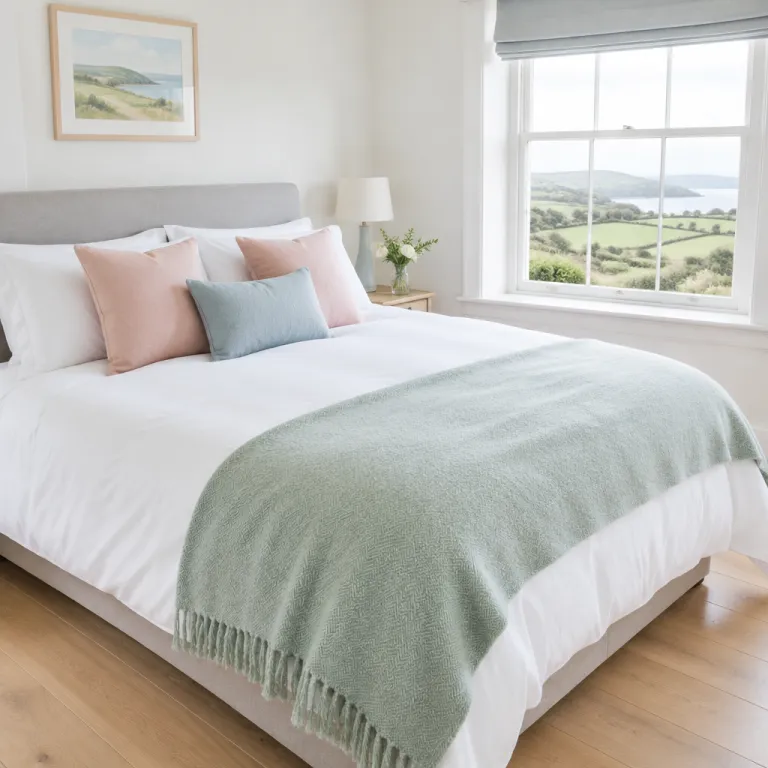
Staying in a traditional bed and breakfast in Ireland turns a countryside break into a more personal journey through real rural life. Before you start comparing individual B&Bs and guest houses, it helps to understand how Irish home stays work, what standards they follow, and how local hosts can shape your experience of the landscape, history, and culture.
Why a bed and breakfast in Ireland elevates a countryside escape
Choosing a bed and breakfast in Ireland transforms a simple stay into a personal encounter with the island’s rural soul. In a landscape where large hotels can feel anonymous, carefully selected B&Bs in Ireland offer small scale comfort, attentive hosts, and a direct line into local history and culture. For travellers planning a countryside trip, this style of bed and breakfast stay often delivers the best balance between privacy, authenticity, and value.
Across Ireland, the national tourism authority Fáilte Ireland defines a traditional B&B as an owner occupied house with usually no more than five guest rooms, which keeps the experience real and rooted in family life. These homes range from stone farmhouses along the Wild Atlantic coast to Georgian townhouses in the Ancient East, and each property reflects the history and culture of its region. Because the hosts live on site, you can expect tailored advice on walking trails, nearby national parks, and lesser known places to visit that rarely appear in generic guidebooks.
For many guests, the highlight of a bed and breakfast stay is the morning ritual of a full Irish breakfast served in a cosy dining room. The best B&B hosts source eggs, bacon, and breads from local producers, turning breakfast into a short masterclass in Irish food culture. When you read guest reviews, pay attention to how travellers describe the atmosphere of the house and the warmth of the hosts, because these details often matter more than the number of amenities or room types listed online.
Finding the right countryside B&Bs and destinations for your trip
Planning a countryside escape around a bed and breakfast in Ireland starts with choosing the right destinations for your style of travel. If you enjoy dramatic coastal scenery, look for B&Bs along the Wild Atlantic route in counties Kerry, Clare, or Donegal, where small houses perch above cliffs and beaches. For a gentler landscape with layered history and culture, the Hidden Heartlands and Ireland’s Ancient East offer river valleys, monastic ruins, and traditional Irish villages within easy reach of rural B&Bs.
On a premium booking website, use filters for countryside locations, room types, and guest reviews to find the best match for your trip. Many Irish B&B hosts describe their house as a family home first and a business second, so read the property descriptions carefully to understand how your stay will fit into their daily rhythm. When you plan an autumn drive between country house hotels and characterful B&Bs, resources such as this guide to an autumn countryside route between country houses can help you link several destinations into one coherent journey.
Rural Ireland rewards travellers who are willing to look beyond the obvious places to visit and seek out hidden corners. In the Hidden Heartlands, for example, you might stay in a riverside bed and breakfast and spend your days on forest walking trails or visiting restored estates that tell the real story of local history. In the Ancient East, a farmhouse B&B near a national park can place you within a short drive of prehistoric tombs, medieval castles, and small harbour towns that still follow traditional Irish rhythms of life.
Accessing countryside B&Bs by rail and road
Reaching a bed and breakfast in Ireland’s countryside usually involves a mix of rail, bus, and car travel. Mainline trains connect Dublin, Cork, Galway, Limerick, and Sligo, from where you can continue by regional bus or taxi to rural B&Bs and guest houses. If you prefer to avoid driving, some premium booking platforms highlight properties that are within walking distance of stations or that offer transfers, and this article on arriving at country stays by rail outlines practical routes.
For maximum flexibility, many travellers rent a car to link several small places in one trip and to reach B&Bs near remote walking trails or national parks. When you book, confirm whether the house has private parking, especially in towns where on street spaces are limited and guest reviews may mention this as a deciding factor. In more isolated destinations along the Wild Atlantic coastline or deep in the Hidden Heartlands, driving also allows you to arrive in time for breakfast or check in without relying on infrequent buses.
Whatever your transport choice, check in and check out times for each stay, as Irish B&B hosts often welcome guests between mid afternoon and early evening. If your train or flight arrives late, contact the house in advance so the hosts can plan around your schedule and keep your bed ready. For multi stop itineraries that combine a bed and breakfast in Ireland’s Ancient East with a coastal B&B in the west, allow generous travel time between destinations so you can pause at viewpoints and small villages along the way.
What to expect inside a countryside bed and breakfast in Ireland
Stepping into a rural bed and breakfast in Ireland, you enter a lived in house rather than a standardised hotel environment. Room types vary widely, from compact doubles under the eaves of an old farmhouse to spacious suites in historic houses that have been carefully restored. Because B&Bs are small, each stay feels personal, and the décor often reflects the hosts’ interests, whether that is local art, maritime history, or traditional Irish textiles.
Facilities in countryside B&Bs usually include comfortable beds, private or shared bathrooms, and a communal sitting room where guests can read or chat with the hosts. Before you book, check whether your chosen house offers en suite bathrooms, as some older properties retain shared facilities, and this detail can significantly shape your experience. Many premium booking websites now list these features clearly, and guest reviews often highlight whether the description matched the real conditions on arrival.
Breakfast remains the centrepiece of the B&B experience, and a full Irish breakfast typically includes eggs, bacon, sausages, grilled tomatoes, and soda bread. Some B&B hosts also offer lighter options such as fruit, yoghurt, and porridge, which can be welcome before a day on the walking trails or exploring national parks. If you have dietary requirements, inform the hosts when you book your stay, as small properties in Ireland can usually adapt the menu when they have advance notice.
How B&B hosts curate real Irish culture, history, and hidden places
One of the strongest reasons to choose a bed and breakfast in Ireland is the direct access to local knowledge that B&B hosts provide. These owners live in the house year round, understand the rhythms of their destinations, and can point you towards small, hidden places that rarely feature in mainstream itineraries. When you ask for advice, you are not just getting directions but an invitation to experience real Irish life.
In the Hidden Heartlands, a host might recommend a lakeside walking trail that passes monastic ruins, combining nature with history and culture in a single afternoon. Along the Wild Atlantic coast, another host could steer you to a quiet cove at sunset or a traditional Irish music session in a village pub, where your trip shifts from sightseeing to genuine cultural exchange. In the Ancient East, staying in a period house near a national park can unlock stories about local history that you would never find without that personal connection.
These conversations often continue over breakfast, when hosts share anecdotes about the area and help you plan places to visit that align with your interests. If you are a keen hiker, they may suggest specific walking trails suited to your fitness level, while food focused travellers might be guided towards farm shops or seafood shacks. For film enthusiasts, curated resources such as this feature on luxury stays near Ireland’s filming locations can be combined with B&B bookings to create a themed itinerary that still feels grounded in local culture.
Booking with confidence: regulation, pricing, and guest reviews
When you book a bed and breakfast in Ireland through a luxury or premium platform, you benefit from a regulatory framework designed to protect guests. Fáilte Ireland oversees approval and classification for B&Bs in the Republic, while Tourism Northern Ireland performs a similar role across the border. Hosts who register must meet standards for safety, food hygiene, and building regulations, and this structure helps ensure that the experience real travellers encounter matches what is advertised.
Pricing for countryside B&Bs in Ireland typically includes breakfast, which makes comparisons with room only hotels more nuanced. In many rural destinations, a comfortable double room with a full Irish breakfast can represent strong value, especially outside peak summer months when rates soften. When you compare options, look beyond headline prices and consider what each stay includes, from parking and room types to access to walking trails, national parks, or coastal viewpoints.
Guest reviews remain one of the best tools for assessing whether a particular house suits your trip. Pay attention to repeated comments about the hosts, cleanliness, and the quality of the Irish breakfast, as patterns here often reveal more than isolated complaints. If you are unsure about any detail, contact the property directly through the booking website, because responsive B&B hosts usually welcome questions and see them as part of building trust with future guests.
Designing a countryside itinerary around B&Bs and national landscapes
Building an itinerary around a bed and breakfast in Ireland allows you to align each stay with a specific landscape or cultural theme. You might begin in the Ancient East with a night in a Georgian house near a national park, then move west to a farmhouse B&B overlooking the Wild Atlantic, and finish in the Hidden Heartlands beside a tranquil lake. This pattern of small, carefully chosen stays turns a simple holiday into a layered journey through Ireland’s regions.
For nature focused travellers, prioritise B&Bs close to walking trails, coastal paths, or forest parks, where you can leave the car and step straight into the landscape. Culture oriented guests may prefer houses within short drives of historic places to visit, such as monastic sites, castles, or traditional Irish market towns. In both cases, the hosts become informal guides, helping you find the best balance between activity and rest during your trip.
Because B&Bs in Ireland are small, booking ahead is essential during peak months, especially in sought after destinations along the Wild Atlantic coastline or near major national parks. When you reserve through a premium booking website, review the cancellation policy carefully and confirm check in times so your travel days remain relaxed. With thoughtful planning, each bed and breakfast stay becomes a chapter in a wider story, linking real landscapes, living culture, and the quiet pleasure of waking to an Irish breakfast in a welcoming house.
Key figures on bed and breakfast stays in Ireland
- Typical nightly rates for a double room in an Irish B&B, including breakfast, often start around 80 euros, which positions countryside stays as a strong value alternative to many city hotels in comparable destinations (based on Fáilte Ireland accommodation price monitoring, 2022–2023; see Fáilte Ireland, “Accommodation Occupancy and Revenue” statistical releases).
- Well located B&Bs in Dublin can reach around 150 euros per night for a double room with breakfast, reflecting higher urban demand and limited small scale accommodation supply compared with rural counties (indicative ranges drawn from Fáilte Ireland city break pricing reports, 2022–2023, including “Dublin Tourism Performance” summaries).
- Serviced accommodation bed places in Ireland, including B&Bs, have seen a drop of about 21 percent since early recent reporting periods, underlining the importance of booking early in popular areas where capacity has tightened (Fáilte Ireland national bed supply statistics, 2019–2022, reported in the “Accommodation Capacity in Ireland” data series).
- Most approved Irish home B&Bs operate with up to five guest rooms, which keeps the atmosphere intimate and allows hosts to maintain a high level of personal service compared with larger properties (Fáilte Ireland quality assurance guidelines for “Approved Bed & Breakfast – Home”, updated 2023).
- New national registration requirements for short term lets are being phased in, meaning that more B&B operators must comply with formal standards for safety and planning, which benefits guests booking through reputable platforms (Irish short term tourist letting regulatory framework introduced 2023–2024, as outlined in Department of Tourism and Fáilte Ireland registration guidance).
Frequently asked questions about Irish countryside B&Bs
Do I need to register a B&B in Ireland if I open one?
Yes, with Fáilte Ireland under statutory rules. This registration process ensures that B&B hosts meet standards for safety, food hygiene, and building regulations, which in turn protects guests who book through recognised platforms. If you are a traveller, choosing registered properties adds an extra layer of assurance to your stay.
How many rooms do typical Irish B&Bs have?
Typically up to five rooms in approved Irish home B&Bs. This small scale keeps the atmosphere personal and allows hosts to focus on individual guests rather than high volume turnover. For travellers, it means quieter stays and more opportunities to interact with the owners about local places to visit.
What kind of food is usually served for breakfast?
A full cooked breakfast is standard. In practice, this often means a traditional Irish breakfast with eggs, bacon, sausages, grilled tomatoes, and soda bread, alongside cereals, fruit, and yoghurt. Many B&B hosts are happy to adapt the menu for dietary needs when informed in advance.
When are check in and check out times at Irish B&Bs?
Most countryside B&Bs in Ireland offer check in between mid afternoon and early evening, with check out around late morning. These times allow hosts to prepare rooms thoroughly and manage breakfast service without rushing. If you expect to arrive outside standard hours, always contact the house beforehand so they can plan your welcome.
Is it necessary to book Irish B&Bs far in advance?
Booking ahead is strongly recommended for summer months and during major events, especially in popular destinations along the Wild Atlantic coast or near national parks. Because many B&Bs have only a handful of rooms, they can fill quickly when demand peaks. For shoulder seasons, you may find more flexibility, but advance reservations still help secure the best located properties for your itinerary.