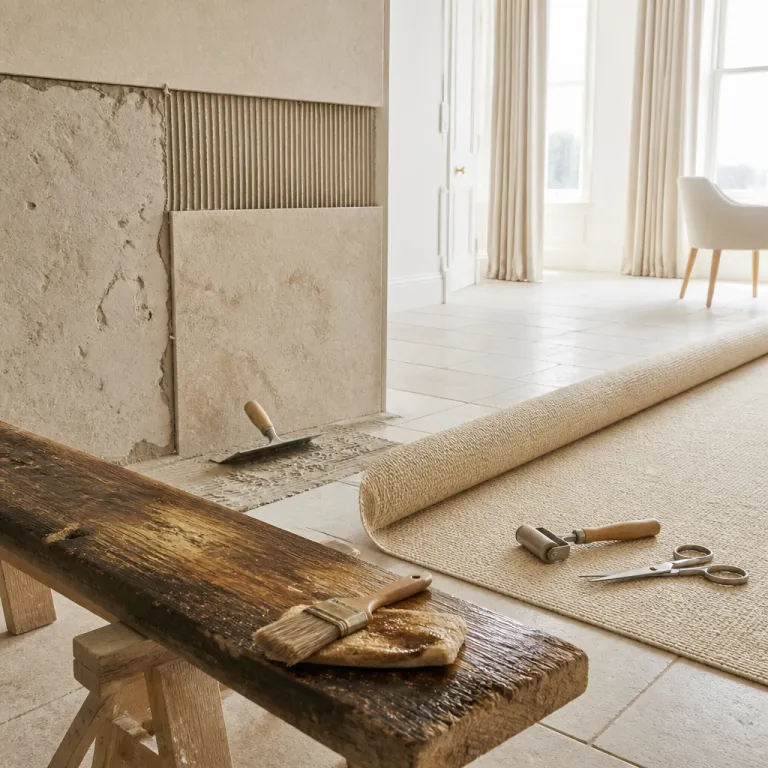
Why irish hotel interior design craftsmanship now defines true luxury
Walk into Ireland’s best hotels and you feel the shift immediately. Irish hotel interior design craftsmanship now matters as much as spa menus, because guests are choosing stays for the story in every stone and textile. The most interesting properties treat each room as a quiet gallery of local materials, where the design invites you to slow down and look closely.
This new wave of hotel design is led by a close collaboration between Irish artisans, interior designers and forward thinking owners. Their shared project is simple yet ambitious ; creating interiors that root exceptional hospitality in the landscape, rather than in anonymous global trends. Across Dublin, northern Ireland and the wild west coast, a growing design team in each property is briefed to make every surface feel specific to its county.
For travelers, this means that choosing a hotel company is no longer just about the pool or the bar. You are selecting a point of view on Irish interior design, from the cut of the Donegal tweed on the armchair to the furniture design of the bog oak console in the lobby. People who care about craft now ask about the interior architecture, the design process and even the names of the interior designers behind their favourite suites.
From quarry and loom to lobby : how Irish materials reach your room
Behind every polished slab of Connemara marble in a hotel bathroom lies a long design process. Irish hotel interior design craftsmanship starts in local quarries, woollen mills and woodworkers’ sheds, long before a creative director in Dublin signs off a mood board. The supply chain is slower than ordering catalogue interiors, but the result is a room that could not exist anywhere else.
Design teams now work like curators, mapping which regional materials will anchor each project. A hotel in Mayo might join forces with a nearby stone company and Foxford woollen mill, while a city property in Dublin leans on glass from Waterford and ceramics from Belleek to create hospitality spaces with urban polish. This approach to creating exceptional interiors demands rigorous project management, because every artisan workshop has its own rhythm and constraints.
Cost comparisons are revealing for anyone booking at the premium end of the market. Commissioning bespoke design furniture in bog oak or commissioning custom furniture design in Irish ash can match or exceed imported pieces, yet the long term value for the hotel industry is higher because the interiors age with character. For a deeper look at how renovation budgets shape these choices, see this analysis of how renovation budgets are reshaping Ireland's luxury hotel interiors, which unpacks why 65 % of Irish luxury hotels now use local materials.
Bog oak, stone and wool : the signature trio of Irish hotel interiors
Bog oak is the quiet star of irish hotel interior design craftsmanship. This ancient timber, preserved in peat until it turns a deep black, appears in headboards, bar counters and sculptural tables that feel almost geological. When an interior designer pairs bog oak with pale Irish limestone, the contrast gives even a compact lobby an immediate sense of drama.
Stone does the heavy lifting in many hotel design schemes across Ireland. Connemara marble floors cool bare feet in spa corridors, while rough cut local stone wraps fireplaces where people gather after Atlantic walks and share stories over a drink. In northern Ireland, basalt and Mourne granite often frame hospitality spaces, giving a subtle link to the cliffs and mountains outside.
Wool softens everything, and Irish hotel interior design craftsmanship would feel incomplete without it. Foxford and Donegal tweed throws appear at the foot of beds, while tightly woven wools upholster design furniture in both bars and lounges. Interior designers talk about creating interiors that feel like a tailored coat ; the textiles should warm you, but also tell you exactly where you are.
How design teams, directors and artisans shape the guest experience
Behind the scenes, the best Irish hotels now operate like small design studios. A creative director or design director sets the overall interior architecture vision, then a multidisciplinary équipe of interior designers, local artisans and hotel employees refines every detail. The goal is creating exceptional spaces where craftsmanship is felt rather than loudly announced.
In Dublin, some properties now hire an in house interior designer to liaise directly with Irish artisans, rather than outsourcing everything to London. This keeps the design process close to the ground, allowing the design team to adjust furniture design or finishes when a new stone vein or textile pattern appears. In northern Ireland, a few ambitious projects even join forces with studios that usually work in the Middle East, blending international hotel design expertise with local materials.
For guests, the result is a more legible story in each room. You might notice a small card naming the woodworker behind your bedside table, or a short line about the quarry that supplied the bathroom stone, because hotels increasingly share these details as part of their exceptional hospitality. Staff training now includes basic design language, so people at reception or in the bar can answer questions about the interiors with confidence.
Reading a room : what to look for when booking a crafted Irish stay
When you browse myirelandstay.com or any serious booking platform, look beyond the headline photos. The language used to describe irish hotel interior design craftsmanship will tell you whether a property truly invests in materials, or simply follows a trend. Phrases about sourcing from named mills, quarries or makers usually signal a deeper commitment than generic mentions of luxury finishes.
Pay attention to how a hotel talks about its bar and shared hospitality spaces. A property that highlights design furniture in the lounge, or mentions a collaboration with a specific interior designer, is often more serious about creating interiors with a sense of place. For a nuanced look at how Irish bars now function as design showcases as much as social hubs, read this feature on where Ireland's hotel bars serve more than just a pint, which explores how materials and lighting shape the mood.
Do not hesitate to email the hotel directly before you book. Ask who led the interior design project, whether the design team worked with Irish artisans, and if any pieces in your room have a specific maker’s story. As one industry briefing neatly puts it, “Why are Irish materials popular in luxury hotels? They offer authenticity, sustainability, and support local artisans.”
How Irish craftsmanship compares globally, from London to the Middle East
Irish hotel interior design craftsmanship now sits comfortably in conversations that once focused only on London or Dubai. International interior architecture studios increasingly reference Irish projects when discussing how to embed local materials into large scale hospitality spaces. The difference is that Irish hotels tend to work on a more intimate scale, where a single piece of bog oak or a hand thrown lamp can shift the entire mood of a room.
Some Irish designers split their time between Dublin, London and commissions in the Middle East. This cross pollination brings sharper project management and global standards back to Irish properties, while exporting the quiet confidence of Irish materials abroad. When these designers return to creating interiors at home, they often push for bolder stonework, more experimental furniture design and deeper collaboration with regional craftspeople.
For travelers used to big brand luxury, this can feel refreshingly human. Instead of a corporate company template, you encounter a design process where each project is treated as a one off conversation between place, materials and people. Irish hotels that embrace this approach rarely shout about it, but you feel it in the weight of a door handle, the curve of a stair rail and the way light falls across a wool covered armchair.
FAQ
What makes Irish hotel interiors feel different from other European luxury hotels ?
Irish hotel interior design craftsmanship relies heavily on native materials such as bog oak, Connemara marble and locally woven wool. These elements give rooms a tactile connection to the landscape, rather than a generic international look. Guests often notice that even similar room types vary subtly, because many pieces are made in small batches by regional artisans.
Why are Irish materials popular in luxury hotels ?
They are valued for authenticity, sustainability and cultural depth. Hotels that use local stone, wool and timber reduce transport emissions while supporting nearby workshops and mills. This approach also creates interiors that cannot be easily copied, which is increasingly important in a crowded luxury market.
What is bog oak and how is it used in hotel design ?
Bog oak is ancient wood preserved in peat bogs until it turns almost black and stone like. In Irish hotels it appears in headboards, reception desks, bar counters and small sculptural objects. Designers appreciate its depth of colour and subtle grain, which pairs well with both pale stone and soft textiles.
How does using local materials affect room rates ?
Commissioning bespoke pieces in Irish materials can cost more upfront than buying catalogue furniture. However, hotels often see better long term value because these interiors age gracefully and support stronger storytelling in marketing. For guests, higher rates usually reflect both the craftsmanship and the smaller production scale behind each room.
Can guests visit the artisans who contribute to hotel interiors ?
Some hotels now arrange visits to nearby mills, potteries or wood workshops for interested guests. This works particularly well in regions with strong craft traditions, such as Donegal textiles or Waterford glass. If this appeals to you, ask the hotel or your booking platform whether they partner with local makers for behind the scenes experiences.