Summer in ireland’s design hotels: when architecture makes the stay
Summer is when design hotels in Ireland and their architecture truly reveal their character. Long evenings stretch across the island and every hotel with strong design suddenly feels more like a gallery than simple accommodation. If you care about where you stay as much as where you travel, this is your season.
Think of a carefully chosen hotel in Ireland as your first itinerary decision, not an afterthought. The right places to stay shape how you read a landscape, how you experience an Irish city street, how you remember a family road trip along the Wild Atlantic Way. A smartly designed living room or terrace can frame a view more powerfully than any guidebook list.
Across Ireland, luxury properties are moving beyond the predictable castle or country house template. You still have icons like Dromoland Castle and Adare Manor, but a new wave of city-side and seaside hotels is led by architects and interior design studios rather than by nostalgia alone. This post focuses on where the building itself becomes the highlight of your stay, not just the backdrop.
In recent years, several high-profile projects signalled a shift in how Irish hoteliers think about design. The Fitzwilliam Hotel in Dublin, for instance, completed a major refurbishment in the late 2010s that reworked everything from circulation to colour. In Cork, the Montenotte Hotel invested heavily in its Woodland Suites by Róisín Lafferty of Kingston Lafferty Design, while citizenM Dublin opened in a reimagined 1970s office block on Bride Road, a structure widely associated with architect Sam Stephenson in local architectural histories.
These transformations are not about surface-level décor; they are about architecture as guest experience. Industry insiders summarise it clearly in one internal briefing line: "Irish hotels are embracing innovative designs to enhance guest experiences." For travellers, that means your next stay in a design-led Irish hotel can feel as curated as a contemporary art exhibition, yet still grounded in Irish warmth.
Georgian townhouses, castles and manors: heritage under a new lens
Walk through Dublin or Limerick in summer and you see it immediately. Behind restored Georgian doors, former private residences are now some of Ireland’s top addresses for design-led hotel architecture. The best conversions respect the original house proportions while quietly inserting contemporary comfort.
In these townhouses, the living room becomes a salon with layered interior design rather than a generic lobby. Original plasterwork and sash windows frame city views, while custom furniture and Irish art signal that this is not a museum. When you stay in such hotels in the city centre, you feel the rhythm of the street but sleep in the calm of a private home.
The same tension plays out in every reimagined castle and manor across Ireland. At Clontarf Castle in Dublin, twelfth-century walls meet bold contemporary design gestures, proving that a castle can feel current without losing its story. Country house hotels like Adare Manor and Dromoland Castle show how a historic estate can host fine dining and even a Michelin Guide-recognised restaurant without diluting their heritage.
For architecture-focused travellers, the key is to read how each hotel handles its past. Some properties lean heavily into Irish royal and warrior mythology, referencing figures such as Brian Boru in artwork and storytelling. Others use more restrained design, letting stone, timber and proportion carry the narrative while the luxury is expressed through light, space and thoughtful dining options.
When you build your bucket list of Irish stays, mix both castles and townhouses. A night in a country house with lawns rolling to a river feels very different from a compact city hotel on a Georgian square. Yet both can deliver a strong design-forward Irish hotel architecture experience if the renovation has been handled with intelligence and respect.
Coastal drama and contemporary builds: where the landscape writes the brief
Along the south and west coasts of Ireland, summer light does extraordinary things to architecture. This is where design hotels and Irish coastal architecture become inseparable from sea views, cliffs and shifting weather. Choose carefully and your hotel becomes a front-row seat on the Atlantic rather than just a place to sleep.
The Cliff House Hotel above Ardmore Bay is the clearest example of this coastal drama. Built into the hillside, its stepped architecture and glass-lined corridors frame Celtic Sea views that change by the minute. Here, the living room lounges and terraces are oriented as much to the horizon as to the bar, and the fine dining restaurant treats the ocean as part of the nightly performance.
Further north, properties along the Wild Atlantic route use design to mediate between raw landscape and quiet luxury. The Hawthorn near Galway Bay, for instance, has been planned around sustainability, with low-impact architecture and interior design that echo the surrounding fields and shoreline. When you stay in such coastal hotels, you feel the weather in the building, from sheltered courtyards to deep window seats that invite you to read while storms pass.
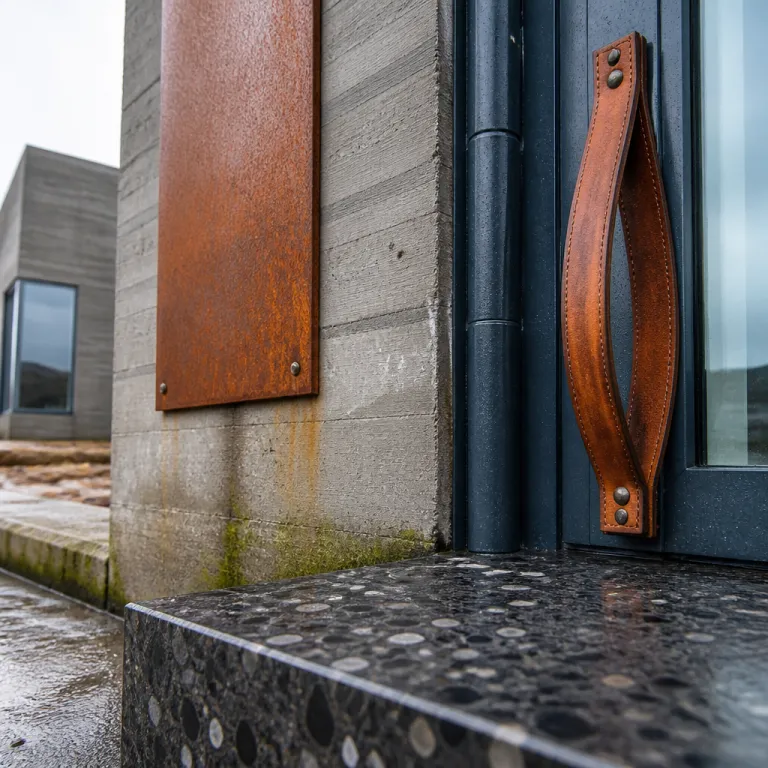
Not every standout property is historic; some of Ireland’s most talked-about openings are contemporary ground-up builds. These hotels are freed from castle or manor constraints, so architects can play with concrete, timber and glass in new ways. In Belfast, the Bedford Hotel blends modern comfort with refined design, while in Dublin the citizenM project shows how a Brutalist structure can host a playful, tech-forward hotel experience.
Summer is the best time to appreciate these moves because outdoor spaces finally come into their own. Roof terraces in city-centre hotels, garden decks at a country house, and clifftop paths at coastal retreats all extend the architecture into the landscape. For a solo traveller or family, that means your travel days can be shorter while your stay feels richer, because the hotel itself becomes a destination.
How to choose: reading design, dining rooms and seasonal details
When you plan a design-led trip through Ireland, start by deciding what kind of architecture excites you. Are you drawn to the narrative weight of a castle or the clean lines of a new-build hotel in Ireland, or do you prefer the intimacy of a reimagined manor or city house where every corridor feels personal?
Next, look closely at interior design and how it supports your style of travel. A solo explorer might prioritise a generous living room lounge with good light and quiet corners to read, while a family may need flexible rooms and relaxed dining options. Check whether the hotel’s restaurant aspires to fine dining or a Michelin star-standard restaurant, and then balance that with nearby casual places so every evening of your stay feels different.
Summer is also when hotel Ireland kitchens and bars show their full range. Many of the most interesting properties now treat food as part of the design story, from open kitchens to chef’s counters and garden terraces. For a deeper look at how Irish hotels are reshaping gastronomy, read the feature on hotel kitchens rewriting Ireland’s dining story and then cross-reference that list with your own bucket list of places to sleep.
Pay attention to how each property talks about its past and its people. Some will reference years ago when the house was a private residence or when a former owner entertained visiting kings Ireland and local figures like Brian Boru. Others emphasise sustainability, local art and contemporary culture, which can be just as compelling for a modern design-focused experience.
Finally, remember that the best hotels in Ireland are not only about architecture; they are about how that architecture makes you feel. A well-judged mix of sea views, thoughtful lighting, and quietly luxurious materials can turn a simple overnight into a story you retell for years. Choose the hotels where every space, from corridor to courtyard, has clearly been considered, and your summer post-trip memories will be anchored as much in buildings as in landscapes.
FAQ
Which irish hotels are leading the current design transformation ?
Several properties stand out in Ireland for serious design ambition. The Fitzwilliam Hotel in Dublin after its major refurbishment, the Montenotte Hotel with its Woodland Suites, and citizenM Dublin in a reworked Brutalist-era building are key examples. Clontarf Castle, The Cliff House and The Hawthorn also show how architecture and landscape can work together in contemporary ways.
How can I tell if a hotel’s architecture will suit my travel style ?
Start by checking whether the property is a castle, a manor, a country house or a contemporary build. Then look at photos of public spaces such as the living room lounges, terraces and restaurants to see how you might actually use them. If you can imagine yourself reading by a window, sharing fine dining with family or watching sea views from a terrace, the architecture probably fits your stay.
Are design led hotels in ireland suitable for families ?
Many design-focused hotels in Ireland now plan spaces with families in mind. You will find interconnecting rooms, relaxed dining options alongside more formal fine dining, and outdoor areas where children can move freely. When you book, ask specifically how the interior design supports family needs, from storage to sleeping arrangements.
Is summer really the best season for architecture focused stays ?
Summer brings longer days, softer light and better access to gardens, terraces and coastal paths. Design-forward Irish hotel architecture feels more expressive when you can move easily between interior spaces and the outdoors. It is also the season when city hotels and coastal properties tend to programme more events, making the building feel alive from morning to late evening.
How do dining experiences connect with architecture in these hotels ?
In many leading Irish hotels, restaurants are now designed as architectural highlights rather than back-of-house spaces. Open kitchens, carefully framed views and thoughtful lighting turn a meal into a full sensory experience. Whether you are in a star restaurant aiming for Michelin recognition or a more relaxed dining room, the room itself is part of the memory.