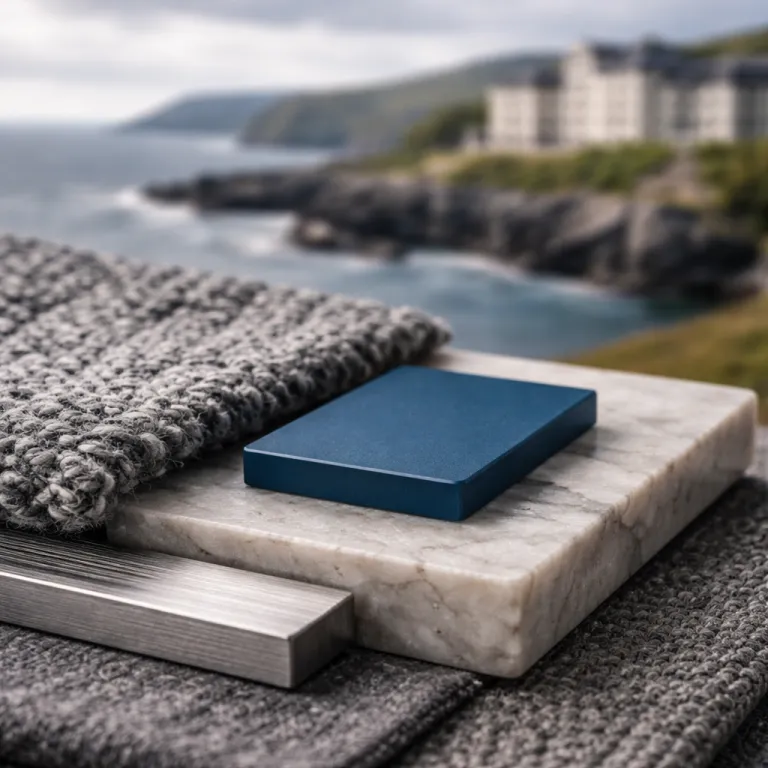
The new cycle of Irish luxury hotel design renovation
Irish luxury hotel design renovation is no longer a cosmetic exercise. Owners across Ireland are treating each hotel refurbishment as a strategic reset of the entire property, not just a refresh of tired guest rooms. For business leisure travelers who return often, this shift quietly changes how every stay feels.
Several forces are driving this renovation cycle in Irish hospitality. Post pandemic demand has clarified that guests will pay for genuine contemporary luxury when the interior design, service and technology align with the heritage of each estate or manor house. At the same time, generational ownership transitions from family custodians to investment groups mean every house hotel and park hotel is being asked to justify its project year budget line by line.
Regulation adds another layer that shapes every renovation moment a hotel embarks on. Heritage protections around an original manor or Georgian house in Dublin can push costs sharply higher, especially when bespoke joinery is required to protect authentic Irish plasterwork or timber. That is why a hotel will often close completely during works, allowing the general manager and design team to rewire infrastructure, expand guest rooms and replan suites without disturbing guests; as one Dublin general manager recently put it in an industry panel, “you only get one chance each decade to future-proof the building without compromising the guest experience.”
Where the money goes: heritage, bathrooms and hidden systems
Walk into a freshly renovated manor house in Killarney and the most expensive work is often invisible. Irish luxury hotel design renovation budgets are increasingly dominated by structural upgrades, from fire systems to acoustic insulation, rather than just new fabrics in the rooms. Guests will notice the calm more than the cabling, but the investment is substantial and typically underpins long term operational savings.
Bathrooms are the clearest visible upgrade in almost every luxury property. In many heritage estates near a national park or along the Wild Atlantic coast, former single en suites have been merged to create spa scale guest bathrooms with double vanities, walk in showers and deep tubs. This is where contemporary luxury meets heritage, with marble, stone and bespoke joinery carefully detailed so that an original house corridor or stair still reads as authentically Irish; one Irish interior designer notes in trade press that “guests now expect a spa standard bathroom even in a 200 year old manor.”
Lobbies and public spaces absorb the next major slice of any hotel refurbishment budget. Designers are carving out residential style snugs, fire lit lounges and flexible work corners that suit the business leisure guest who arrives from Dublin and stays on for a weekend of natural beauty. These spaces look effortless, yet every armchair, light level and circulation route is planned so that the hospitality flow through the property feels intuitive and supports both quiet work and relaxed socialising.
Case studies: from Dublin city hotels to country estates
Some recent Irish luxury hotel design renovation projects show how serious the numbers have become. At the Fitzwilliam Hotel in Dublin, interior designer Christopher Ash is reported in Irish hospitality media to have directed a €13.5 million refurbishment that rethought guest rooms, public spaces and circulation without erasing the hotel’s urban personality. The result is a city property where suites now feel tailored to executives who split their time between meetings and private downtime, and industry commentary suggests that post renovation occupancy and average daily rate both strengthened.
Further west, the Liebherr family’s widely reported €100 million investment in the Dunloe Hotel near Killarney, cited in local business coverage, underlines how an estate can be repositioned through design. Here the landscape of Ireland, with its natural beauty and views towards a national park, is framed by larger guest rooms, expanded terraces and a lobby that finally matches the scale of the grounds. Much of the budget went into infrastructure and subtle interior design moves, rather than showy gestures that would date quickly, with local analysts highlighting a clear uplift in guest satisfaction scores after reopening.
Rescue projects tell another side of the story. Renovation specialist Arghco is known in the industry for stepping into an Irish estate hotel refurbishment that had stalled and stabilising the programme within six weeks, according to trade press coverage. In Dublin, DL Interiors led a hotel renovation that reportedly increased bookings by around 25 percent, while across the country significant investments are modernizing Ireland's luxury hotel interiors and the impact of these renovations is increased bookings and enhanced guest satisfaction because interior design firms and hotel owners are leading these projects to modernize facilities and attract more guests.
Heritage versus innovation: reading an Irish manor house today
Balancing heritage and innovation is the central tension in any Irish luxury hotel design renovation. In a place like Adare, where Adare Manor dominates the conversation, guests arrive with strong expectations about how a manor house should look and feel. The best projects respect that emotional memory while quietly upgrading every touchpoint of the experience so that Wi Fi, climate control and lighting feel seamless rather than intrusive.
Inside a restored house hotel on a historic estate, you will now see layered references rather than pastiche. Original stone, timber and plaster sit beside contemporary luxury elements such as sculptural lighting, tailored upholstery and discreet technology that supports both leisure and work. Bespoke joinery often becomes the bridge, allowing designers to hide air conditioning, cabling and storage within cabinetry that still reads as authentically Irish and preserves the proportions of the original rooms.
For travelers, the question is how much change feels appropriate for a property rooted in Irish heritage. A manor house near the Wild Atlantic or a park hotel beside a national park should still foreground landscape and natural beauty, not just imported design statements. When a hotel embarks on a refurbishment that erases local craft, regional materials or the rhythm of the original house, the result can feel like any other international hotel rather than a specific place in Ireland, and repeat guests often notice that loss of character immediately.
How business leisure travelers should book through the renovation cycle
For business leisure guests, the timing of an Irish luxury hotel design renovation can make or break a stay. Book too early in the project year and you risk scaffolding, closed amenities and a hospitality team still learning new systems. Wait a little longer and you may find a property where the general manager has bedded in service rituals that match the refreshed interiors and where early operational glitches have been resolved.
Before committing to a familiar hotel, read renovation announcements with the same care you give to flight schedules. A clear plan that explains which guest rooms, suites and public spaces are affected usually signals a well managed hotel refurbishment, while vague language can hide disruption. When a hotel will close fully, the reopening months often offer the best balance of sharp interiors, motivated staff and competitive rates for regulars, especially midweek.
Use specialist platforms such as myirelandstay.com to track which estate properties, Dublin city addresses and Killarney country houses are mid project. Cross reference that with your own priorities, whether you value a quiet manor house library, a strong restaurant programme or proximity to the Wild Atlantic coastline. If food matters, pair your booking research with coverage of leading hotel kitchens in Ireland, such as the analysis of award winning dining rooms in the Irish Restaurant Awards feature on hotel kitchens rewriting Ireland's dining story, and look for signs that the culinary offer has evolved alongside the interior design.
FAQ
Why are so many Irish luxury hotels renovating now ?
Many Irish properties are reaching a natural end to earlier refurbishment cycles and facing higher guest expectations. Owners are using Irish luxury hotel design renovation to modernise infrastructure, expand bathrooms and reconfigure public spaces without losing heritage character. Post pandemic travel patterns have also shown that guests will pay for genuine contemporary luxury when design, technology and service are aligned, and industry data points to stronger occupancy and RevPAR for properties that have recently completed thoughtful upgrades.
How much of a renovation budget goes into visible design ?
Only a portion of any hotel refurbishment budget is spent on finishes that guests immediately notice. Significant funds go into hidden systems such as wiring, fire safety, acoustics and heating, especially in an original manor house or protected estate. The visible interior design elements, from bespoke joinery to fabrics, sit on top of this technical work and must respect both heritage and daily operations, so owners increasingly treat them as the final layer rather than the whole story.
What should I check before booking a hotel during renovations ?
Start by asking which guest rooms, suites and public areas are affected during your dates. A transparent general manager will outline any noise windows, closed facilities or alternative spaces for dining and work. If the disruption touches core amenities you value, such as the spa or main restaurant, consider shifting your stay until the hotel embarks on its post opening stabilisation phase or choosing a sister property that has already completed its refurbishment.
Are renovated Irish manor houses losing their historic character ?
The best Irish luxury hotel design renovation projects treat heritage as an asset rather than an obstacle. Designers use authentic Irish materials, retain key architectural features and integrate contemporary luxury in a way that feels layered rather than themed. Problems arise when a property chases global trends and forgets the specific story of its house, estate and surrounding landscape, but guest reviews and repeat visitation usually reward hotels that keep a strong sense of place.
When is the ideal time to try a newly renovated luxury hotel in Ireland ?
For most travelers, the sweet spot is a few months after reopening, once staff have adapted to new layouts and service flows. At that point the interiors still feel crisp, but the hospitality team has tested how guests use the spaces in real life. Early adopters who enjoy being first through the doors may accept a few rough edges in exchange for introductory rates and quieter public areas, while risk averse guests may prefer to wait until the first season of post renovation reviews is available.