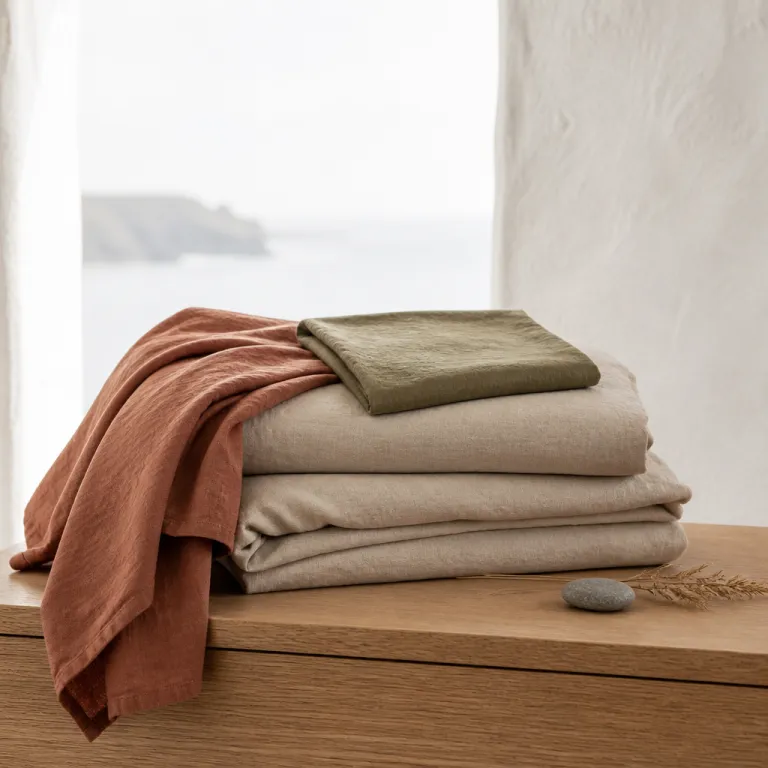
What makes true clifftop hotels on Ireland’s Atlantic edge
A genuine clifftop hotel in Ireland sits so close to the cliff that the Atlantic soundtrack reaches your rooms without effort. You should feel the sea through the glass, with wind, waves and shifting light defining your stay more than any artwork on the walls. If you can mute the ocean by closing a window, you are probably in a coastal hotel rather than one of the true clifftop hotels Ireland Atlantic coast specialists quietly revere.
Proximity is the first test, but exposure is the real one, because the best hotels Ireland offers on the western seaboard lean into the elements instead of hiding from them. A proper country house hotel on a headland will angle its rooms so that at least half have full sea views, not partial glimpses over a car park or golf course. When you book, ask directly how many metres separate the house from the cliffs, and whether the sea view is uninterrupted or shared with a busy road.
Sound is another honest measure, since you should hear the Atlantic in the room on a still night, and feel the building subtly respond when a storm rolls in from the wild Atlantic horizon. The most atmospheric places to stay use this drama as a feature, offering telescope lounges, cliff cottage style snug bars and sheltered terraces where guests can watch waves hit the cliffs below. If a property markets itself as clifftop but you need to walk ten minutes for a proper sea view, treat it as a pleasant place to stay by the coast, not a true edge of the world retreat.
Engineering luxury on exposed Atlantic cliffs
Running a luxury hotel spa on an exposed Irish cliff is an engineering project as much as a hospitality one. Salt, wind and constant damp test every surface, from the glass framing your sea views to the timber decking that leads guests towards the cliff path. The finest clifftop hotels Ireland Atlantic coast travellers return to have quietly invested in marine grade materials, discreet drainage and clever insulation that keeps the Atlantic outside while the rooms stay warm and dry.
Architects working on a cliff house or restored country house above the sea must balance drama with safety, because the cliffs are always moving and the ground is never entirely still. Structural engineers model the impact of storm waves, while landscape designers shape paths that give guests easy access to the edge without putting them at risk. When you book, look for details such as recessed balconies, wind screened outdoor baths and spa relaxation rooms that face the sea but sit slightly back from the most exposed cliff line.
Service design follows the same logic, since a hotel on a remote Atlantic island or headland cannot rely on quick deliveries when the weather turns wild. Many of the most reliable hotels Ireland has along this coast run their own generators, water systems and laundry, turning the house into a self sufficient island lighthouse of comfort. If you are planning a long stay, ask how the restaurant sources local produce in winter, how the spa maintains warm sea view pools in storms and how the team manages transfers when waves close the harbour or winds ground small aircraft.
County by county: clifftop personalities from Clare to Mayo
The western edge of Ireland is not one uniform wild Atlantic postcard, and each county shapes its clifftop hotels in a different way. County Clare is the most instantly recognisable, with the cliffs of Moher, Spanish Point and the layered limestone of the Burren giving hotels a vertical drama that few coastlines can match. Here, a house hotel perched above the cliffs will often frame the sea view with stone, turf and slate, while the restaurant leans into local seafood and the soft light that rolls in from the Atlantic.
County Mayo feels more remote, with long strands, scattered islands and an almost Scandinavian clarity on bright days, so a country house above the water here can feel like the last civilised place to stay before Greenland. Properties near Clare Island or an old island lighthouse often combine sea views with working harbour life, giving guests a sense of both isolation and connection. When you compare places to stay, notice whether the hotel spa and rooms face the open ocean or a sheltered bay, because that single detail changes the entire mood of your stay.
Further south and north, Kerry and Donegal add their own character, with Dingle’s headlands and the high cliffs near Slieve League offering some of the most cinematic hotels Ireland can muster. For a refined coastal escape in Dingle, where clifftop walks meet polished service, guides such as elegant places to stay in Dingle help filter the options. Wherever you choose, match the county to your temperament, because County Clare rewards walkers and photographers, County Mayo suits contemplative stays and Donegal appeals to guests who like their cliffs as wild as their plans.
Designing for sea views, storm watching and Atlantic rituals
The most successful clifftop hotels Ireland Atlantic coast travellers talk about for years are the ones that frame the sea rather than fight it. Floor to ceiling glass in key rooms, carefully angled terraces and low slung cliff cottage annexes allow guests to feel close to the cliffs without being battered by the wind. In a well considered cliff house, you move from sheltered lounge to exposed viewing deck in a few steps, choosing your own level of contact with the Atlantic.
Inside, design choices often echo the landscape, with slate, oak and wool softening the hard line between house and cliff, while lighting is kept low so the sea view remains the main event. Many properties now include dedicated storm watching lounges, telescope corners and reading rooms where guests can sit for hours as weather moves across the horizon. When you book, ask whether the hotel spa includes outdoor hot tubs or sea facing relaxation rooms, because these spaces turn a grey day into a highlight rather than a disappointment.
Rituals matter as much as architecture, so look for hotels where the house restaurant times dinner service around sunset, or where staff quietly leave blankets and binoculars in rooms with the best sea views. Some country house properties offer guided cliff walks at dawn, wild swimming access to sheltered coves below the cliffs and even night sky sessions when the Atlantic horizon is clear. If your ideal place to stay includes both refined linen and the chance to feel the spray on your face within minutes, prioritise layouts that put guests and the sea in constant, carefully managed conversation.
Trade offs, access and how to choose your clifftop stay
Remote clifftop luxury in Ireland always comes with trade offs, and understanding them before you book will make your stay far more satisfying. Access is the first, because a house perched above the Atlantic in County Clare or County Mayo will rarely sit beside a busy village square with multiple restaurants. Transfers can be longer, taxis limited and weather can delay both ferries to islands and small regional flights, so flexible planning is essential.
Food choice is the second compromise, since many of the best hotels Ireland offers on the Atlantic edge operate as near closed ecosystems, with one main restaurant, a bar menu and perhaps a more casual house restaurant for lighter dishes. When that restaurant is good, as it often is in a serious country house, this focus becomes a pleasure rather than a constraint. Before you commit, read recent independent reviews, ask about local sourcing and check whether the hotel can handle dietary needs without relying on last minute deliveries from distant towns.
Weather is the final variable, because the same wild Atlantic storms that carve the cliffs of Moher and Spanish Point can pin guests indoors for a full day. The most rewarding places to stay treat this as part of the experience, offering libraries, tasting menus, spa rituals and even curated day trips to inland estates such as historic castles in County Limerick. If you want a more shoreline focused trip with easier access to the water, pair your clifftop nights with a few days at properties where wetsuits and white linen quietly coexist, such as those highlighted in this guide to Irish shoreline hotels.
From cliff house icons to island lighthouses: specific stays to consider
When travellers talk about clifftop hotels Ireland Atlantic coast itineraries are built around, they often start with the archetype of a cliff house that seems to hover above the sea. In County Clare, a refined house hotel near the cliffs of Moher or Spanish Point will usually offer rooms with direct sea views, a small but focused spa and a restaurant that treats local seafood with quiet confidence. These properties work best for guests who want to walk straight from the country house to the cliff path, then return to a turf fire and fine linen.
Island options add another layer, with places to stay on Clare Island or Inis Meáin offering a different relationship to the Atlantic, where the sea surrounds rather than simply fronts the hotel. An island lighthouse conversion in County Mayo, for example, can give guests 360 degree sea views, with the beam sweeping across the water at night and the sense that the house is both refuge and lookout. These stays suit travellers who value solitude, are comfortable with limited restaurant choice and understand that access is at the mercy of the weather.
Not every memorable place to stay needs to be a full scale hotel, and some of the most atmospheric options are cliff cottage style rentals or small country house properties that operate almost like private homes. When you compare hotels Ireland wide, think about how many nights you want that intense edge of the world feeling, and how many you would prefer to spend in softer coastal towns. A balanced itinerary might pair two nights in a remote island lighthouse or cliff house with several nights in a shoreline hotel where the wild Atlantic is still present, but the logistics are gentler and the list of nearby places to stay, eat and explore is longer.
FAQ
How close to the edge are Ireland’s true clifftop hotels ?
Authentic clifftop hotels in Ireland usually sit within a few dozen metres of the cliff edge, with clear, unobstructed sea views from many rooms and public spaces. You should be able to hear the Atlantic from your room with the window open, and reach a safe cliff path within a short walk from the house. If the hotel is separated from the cliffs by a main road or a long field, it is better described as a coastal property than a true clifftop stay.
Are clifftop hotels in County Clare and County Mayo safe in storms ?
Serious properties in County Clare and County Mayo are engineered with Atlantic storms in mind, using reinforced structures, careful drainage and conservative setbacks from unstable cliff edges. Safety standards in Ireland require regular inspections, and reputable hotels will close exposed paths or terraces when conditions are dangerous. If you are concerned, ask the hotel directly about their storm protocols, evacuation plans and how they monitor cliff stability over time.
What should I pack for a stay on Ireland’s Atlantic cliffs ?
Pack layered clothing, a waterproof shell and sturdy shoes suitable for wet, uneven cliff paths, even if you plan to spend much of your time in the spa or restaurant. Wind on the wild Atlantic coast can make temperatures feel several degrees cooler than inland, so a warm hat and gloves are useful outside peak summer. Indoors, most country house and cliff house hotels maintain a relaxed but polished dress code, so smart casual outfits work well for dinner.
Is it better to stay on the mainland cliffs or on an island lighthouse ?
Mainland clifftop hotels offer easier access, more restaurant options and shorter transfers, making them ideal for first time visitors or shorter trips. An island lighthouse or island based country house delivers a stronger sense of isolation and uninterrupted sea views, but comes with more weather dependent access and fewer services nearby. Many experienced travellers combine both, starting with a mainland cliff house in County Clare or County Mayo before adding one or two nights on an island for a more intense Atlantic experience.
When is the best season for clifftop stays on Ireland’s Atlantic coast ?
Spring and autumn are often the most rewarding seasons for clifftop stays, with dramatic light, fewer crowds on cliff paths and a good balance between clear days and atmospheric storms. Summer brings longer evenings and slightly calmer seas, which suit guests who prioritise outdoor dining and gentler walks along the cliffs. Winter can be spectacular for storm watching from a warm lounge or spa, but you should be comfortable with the possibility of weather related travel disruptions.