Is Glin Castle still the FitzGerald family home for guests ?
Glin Castle stands above the Shannon Estuary in County Limerick, and it remains deeply tied to the FitzGerald family story. The answer to whether Glin Castle is still the FitzGerald family home lies in its continuous lineage, because the hereditary Knights of Glin held this castle and earlier houses on the site for more than seven centuries.[1] Today the manor operates as a private hire venue in Ireland, where advance booking is essential for any luxury stay.
The estate is in the village of Glin in County Limerick, and the current Glin Castle dates from the late eighteenth century, when a new house replaced earlier defensive structures.[2] That long arc of Irish history means that every room, from the grand staircase to the intimate drawing rooms, reflects layers of family life shaped by each FitzGerald knight and each generation’s taste. When you book here you are not choosing a generic castle property, you are entering a living family home that still carries the title of Knights of Glin in its stories and collections.
Ownership today rests with landscape designer Catherine FitzGerald and her husband, actor Dominic West, who have restored the house as a refined retreat following the death of the last Knight of Glin, Desmond John Villiers FitzGerald, in 2011.[3] Official guidance from the estate confirms this continuity of ownership and explains the operating model very clearly: Glin Castle has been owned by the FitzGerald family for centuries and now operates as a private venue where bookings are required and private stays with advance reservation are possible. For travellers comparing Irish country houses, that combination of private manor atmosphere and structured access makes Glin Castle especially appealing for multi generational family gatherings and discreet celebrations.
The FitzGerald lineage, Knights of Glin and the wider Irish nobility
The FitzGerald family arrived in Ireland in the medieval period, and their story at Glin intertwines with the broader history of County Limerick and the Anglo Norman nobility. Tradition links the early FitzGerald knight at Glin to Maurice FitzGerald, a key figure in the Norman invasion, and to royal charters granted under King John that shaped landholding along the Shannon.[4] Over time the title of Knight of Glin, sometimes called the FitzGerald Knight of Glin, became hereditary and distinct from the better known Earls of Desmond and Earls of Kildare.
Across the centuries various men named John FitzGerald, Thomas FitzGerald and Desmond John FitzGerald held the title, and each knight left a mark on the castle and estate. You will see portraits of Sir John FitzGerald and Colonel John FitzGerald in the main house, while references to sons and daughters who married into other Irish families appear in genealogical notes. These stories echo the patterns of many Irish country houses, where a younger son might marry an heiress from another noble line, or a daughter might marry into a neighbouring manor, strengthening alliances across estates.
The last Knight of Glin, Desmond John Villiers FitzGerald (1937–2011), was a noted conservationist and worked with historian Mark Bence-Jones, who wrote extensively about Irish country houses and their architectural heritage.[5] Their efforts helped position Glin Castle among the most important historic houses in County Limerick, alongside properties associated with the Earl of Dunraven and the Knight of Kerry families. If you are planning a luxury stay focused on heritage, you can pair nights at Glin with a wedding or event at another grand estate such as Ashford Castle, which is profiled in this detailed guide to an Ashford Castle wedding on Lough Corrib.
Inside Glin Castle today: what luxury guests can expect
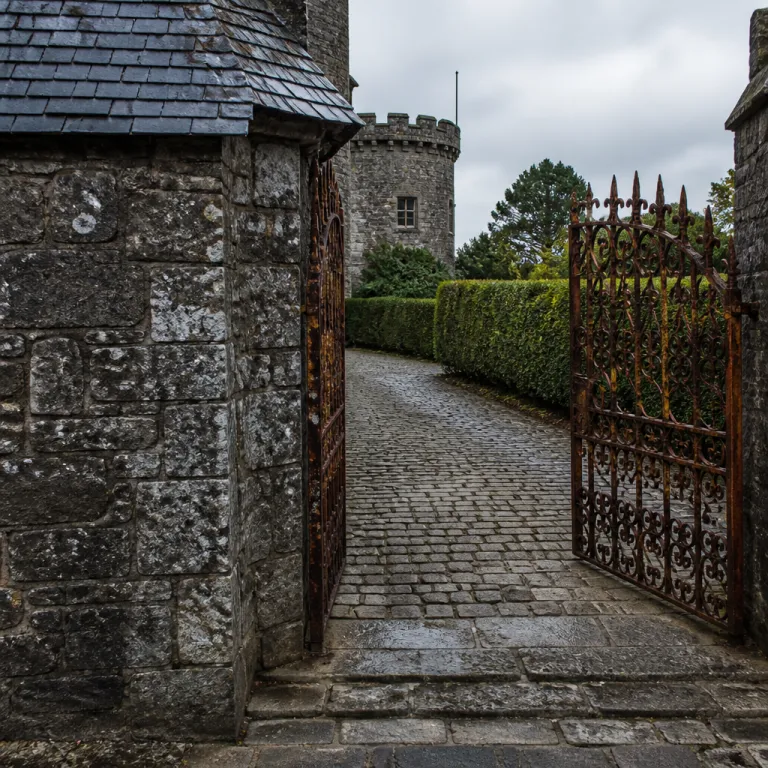
From the moment you pass the gates into Glin Castle, the experience feels more like arriving at a private house than at a conventional hotel. The main manor rises at the end of a long drive, with the Shannon waters glinting beyond the lawns and mature trees framing the façade. Inside, high ceilinged rooms display Irish art, ancestral portraits of FitzGerald knights and carefully chosen antiques that reflect both eighteenth century elegance and later family tastes.
Bedrooms vary from grand suites in the main house to charming rooms that once hosted visiting relatives, and each space carries a sense of continuity with the FitzGerald family story. You might sleep beneath a portrait of Sir John or Thomas FitzGerald, or in a room where a FitzGerald daughter once prepared for her wedding into another noble line, while views stretch across County Limerick countryside. The atmosphere is intimate and residential, which suits guests who want to feel like temporary custodians of an Irish manor rather than anonymous visitors in a large resort.
Because Glin Castle operates as a private venue, you generally book the entire house for a group stay, wedding or corporate retreat. This model allows the current owners, Catherine FitzGerald and her husband, to maintain the estate while preserving its character as a family home rather than turning it into a standard hotel operation. As Catherine has remarked in interviews, the aim is to keep Glin “a lived-in house, not a museum,” and that philosophy shapes how staff host dinners, arrange flowers from the gardens and welcome guests into the drawing rooms.
Historic context: from medieval stronghold to Georgian manor
The story of Glin Castle begins long before the current house was built, when the FitzGerald family established a stronghold on this stretch of the Shannon in the thirteenth century.[1] Early structures were defensive castles, reflecting a time when the FitzGerald knight at Glin balanced loyalty to the English crown with alliances among Irish chieftains. References to King John and to grants made to Maurice FitzGerald and his son Gerald illustrate how royal authority and local power overlapped in this part of Ireland.
By the late eighteenth century the family replaced earlier fortifications with the present manor, creating a refined country house that matched the tastes of the period. This shift from fortress to elegant house mirrored a broader trend among Irish country houses, where families such as the Earl of Dunraven near Adare and the Knight of Kerry in the south also commissioned new residences. At Glin the result is a residence that combines castellated features with the comfort of a Georgian manor, giving guests both romance and practicality during a stay.
Inside, you will notice how different centuries coexist, from medieval fragments to nineteenth century additions and twentieth century restorations. The library may hold volumes once consulted by Bence-Jones when he researched Irish architecture, while the dining room might display silver linked to a particular FitzGerald knight or to a marriage alliance recorded in July or October of some long past century. For travellers who value layered history, this makes Glin Castle more than a picturesque backdrop; it becomes a tangible record of how one family adapted across political, social and economic change.
Planning a stay: practical tips for luxury travellers
Because Glin Castle is a private venue rather than a walk in hotel, planning ahead is essential for anyone asking whether Glin Castle is still the FitzGerald family home and how to stay there. You will need to arrange an exclusive hire, usually for several nights, which suits weddings, milestone birthdays or multi generational family gatherings. Availability can be tight in peak months such as July and August, while shoulder seasons like October often offer more flexibility for smaller groups.
When you enquire, be clear about your priorities, whether that is formal dining in the main house, outdoor activities in County Limerick or excursions to other historic sites in Ireland. The team can help you weave in visits to nearby castles and manors, including estates once linked to the Earl of Dunraven or to other branches of the FitzGerald family, so your itinerary feels coherent rather than rushed. Many guests pair a stay at Glin with time in Dublin or with another castle experience elsewhere, using a specialist luxury and premium hotel booking website in Ireland to coordinate transfers and reservations.
For travellers curious about pricing, Glin Castle typically works on a nightly rate for exclusive use, with costs varying according to season, group size and services such as catering, activities and transport. Expect a minimum stay requirement and a deposit at the time of booking, with final payment due several weeks before arrival. Direct contact with the estate or with a trusted luxury travel advisor will give you the most accurate figures for your specific dates and requirements.
Beyond Glin: other historic houses and castles for discerning guests
Travellers drawn to Glin Castle because of its FitzGerald lineage often want to explore other historic properties that share similar depth of story. Ireland offers a rich network of castles, manors and country houses, many of which remain in family hands and operate as hotels or private venues. By combining several estates in one itinerary, you can trace themes of Irish history from medieval knights to Georgian elegance and Victorian expansion.
In County Limerick you might visit Adare, where the Earl of Dunraven family shaped both the village and its grand house, or explore smaller manors that once belonged to related branches of the FitzGeralds. Further afield, properties associated with the Knight of Kerry line or with other Anglo Norman families show how titles such as FitzGerald Knight or Knights of Glin fit into a wider aristocratic landscape. Each estate has its own narrative of how a younger son married into another noble house, or how a daughter married into a neighbouring county family, weaving a dense web of alliances.
When choosing where to stay, consider how each property balances heritage with modern comfort, especially if you are travelling with a larger family group. Some castles operate as full service hotels with individual room bookings, while others, like Glin Castle, focus on exclusive hire that suits weddings or corporate retreats. A specialist luxury and premium hotel booking website in Ireland can help you compare these models, ensuring that your nights in historic properties feel both culturally rich and logistically smooth.
Glin Castle, the FitzGerald family and the meaning of heritage travel
For many guests, the appeal of Glin Castle lies not only in its architecture but in the sense that the FitzGerald family story still animates the rooms. When you walk through the hall lined with portraits of John FitzGerald, Thomas FitzGerald or Desmond John FitzGerald, you are encountering real people rather than anonymous ancestors. Their decisions about how to manage the estate, whom a son married or which daughter formed an alliance with another county, shaped the landscape you see today.
Heritage travel at this level invites you to engage with questions that go beyond simple sightseeing, such as how families like the Knights of Glin navigated shifts from medieval power structures under King John to modern Irish identity. The presence of Catherine FitzGerald and her husband as current custodians shows how a historic estate can remain a living home while opening selectively to guests. Their work continues the efforts of figures like Bence-Jones and the Earl of Dunraven, who argued that preserving Irish country houses benefits both local communities and national culture.
When you ask whether Glin Castle is still the FitzGerald family home in the context of booking a stay, you are really asking whether this place still feels authentic and rooted in its lineage. The answer is yes, in the sense that the FitzGerald knight tradition, from Maurice FitzGerald and his son Gerald through Sir John, Colonel John and Desmond John, still shapes how the house is run. For discerning travellers, that continuity turns a luxury stay in County Limerick into a rare opportunity to inhabit, however briefly, the ongoing story of an Irish noble family and its enduring castle.
Key figures and timelines for Glin Castle and the FitzGeralds
- The FitzGerald family have held Glin and its earlier castles for more than 700 years, making it one of the longest continuously associated family estates in Ireland (data referenced from heritage summaries and historical records).[1]
- The current Glin Castle manor dates from the late eighteenth century, when the medieval stronghold evolved into a Georgian influenced country house typical of that century’s architectural tastes in County Limerick.[2]
- The title of Knight of Glin, associated with figures such as Sir John FitzGerald, Colonel John FitzGerald and Desmond John Villiers FitzGerald, represents a unique hereditary knighthood distinct from the better known Earls of Desmond and Kildare.[4]
- Modern operation of Glin Castle as a private venue with advance booking reflects a wider trend in Irish country houses, where historic families open their estates selectively to generate income for preservation and community engagement.[5]
FAQ: Glin Castle, the FitzGerald family and luxury stays
Is Glin Castle still owned by the FitzGerald family ?
Yes, Glin Castle remains in FitzGerald hands, with Catherine FitzGerald and her husband Dominic West acting as current custodians of the house and estate.[3] Their stewardship continues the long line of Knights of Glin who have shaped the property over centuries. Guests staying at the castle are effectively visiting a living family home rather than a purely commercial hotel.
Can you stay overnight at Glin Castle as an individual guest ?
Overnight stays at Glin Castle are generally arranged on an exclusive hire basis rather than as individual room bookings. This means that families, wedding parties or corporate groups reserve the entire house for a set number of nights. If you are a solo traveller or a couple, a specialist booking service may help you join a smaller group stay during quieter periods.
Is Glin Castle open to the public for day visits ?
Glin Castle operates primarily as a private venue, so casual day visits without prior arrangement are not usually possible. On certain occasions, such as heritage events or charity openings, limited public access may be offered, but these are exceptions rather than the rule. If you wish to see the interiors, the most reliable route is to book a stay or attend a hosted event.
Where is Glin Castle located within Ireland ?
Glin Castle stands near the village of Glin on the southern shore of the Shannon Estuary in County Limerick. The estate lies roughly midway between Limerick city and Tralee, making it a convenient base for exploring the west coast. Its position within a landscape rich in historic estates also allows easy day trips to other country houses and coastal towns.
How far in advance should I book a stay at Glin Castle ?
Because the property is in high demand for weddings and exclusive gatherings, it is wise to enquire many months ahead, especially for peak dates in July and August. Shoulder seasons such as spring and October may offer more flexibility, but availability still depends on the event calendar. Early contact with the estate or with a luxury and premium hotel booking website in Ireland will give you the best chance of securing preferred dates and confirming current rates, minimum stay policies and deposit terms.
Sources and further reading
[1] Summary histories of the Knights of Glin and Glin Castle in Irish heritage records and local archives.
[2] Architectural descriptions of Glin Castle in surveys of Georgian country houses in County Limerick.
[3] Obituaries and profiles of Desmond John Villiers FitzGerald, 29th Knight of Glin (1937–2011), noting succession and current ownership.
[4] Scholarly accounts of the FitzGerald family, Maurice FitzGerald and royal grants under King John relating to lands along the Shannon Estuary.
[5] Conservation writings and interviews involving Mark Bence-Jones, Desmond FitzGerald and other advocates for Irish country house preservation.