The first approach: how a castle in Ireland sets the scene
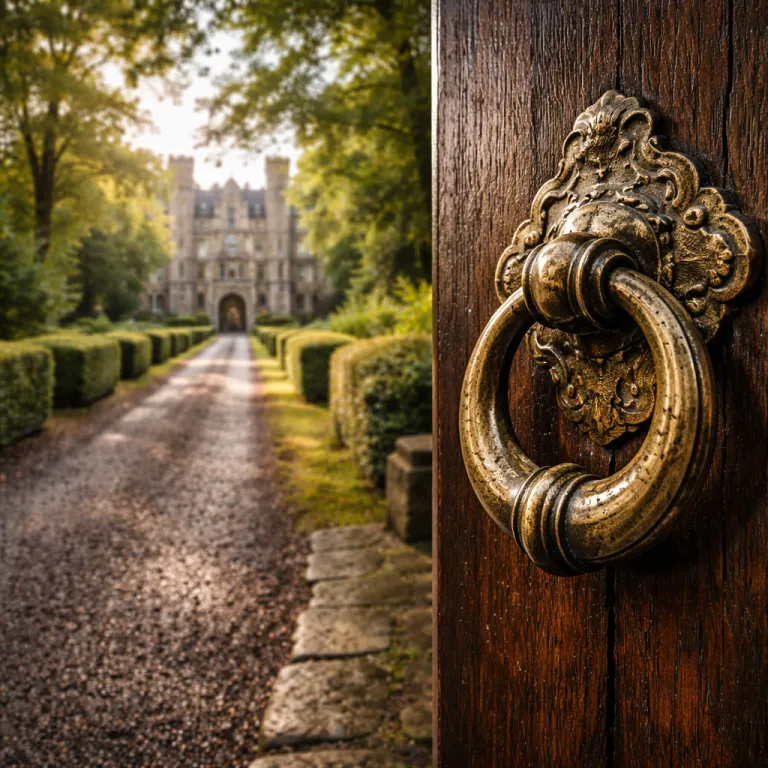
Your castle hotels Ireland experience begins long before you reach reception. The best castle in Ireland for a dramatic arrival often hides behind a curve in the road, letting the landscape work as a slow curtain rise. On a solo trip, that first glimpse of an Irish castle across water or woodland can feel like a private performance.
At Ashford Castle in County Mayo, the approach runs for several kilometres through a former estate, and this long drive is part of the designed castle stay narrative. Dromoland Castle in County Clare uses a similar strategy, with a sweeping avenue that frames the hotel as a destination rather than a simple place to stay in Ireland. Both castle hotels understand that the journey from gate to front door is your first real contact with historic hotels in Ireland, not just a transfer between locations.
Urban arrivals tell a different story, yet they aim for the same emotional effect. Clontarf Castle in Dublin sits within a residential area, so the choreography relies on contrast between city streets and fortified walls to shape your castle break. Here the castle hotel uses lighting, signage and a tight forecourt to signal that your travel day is over and your stay-in-a-castle chapter is about to begin.
Practical tip: if you are driving, check in advance whether the castle has a signed main gate or a discreet entrance, and download offline maps so that the final kilometres of your castle hotels Ireland experience feel calm rather than rushed.
Gate to gravel: counties, coastlines and the art of arrival
Each county in Ireland uses its own geography to stage the first moments of a castle stay. In Donegal, Lough Eske Castle leans into its lakeside location, with the castle reflected in still water that almost demands a photo before you even check in. That sense of calm is deliberate, turning the Lough Eske setting into a soft landing after a long trip.
Further south, Waterford Castle occupies a private island in a different county, and the short ferry crossing becomes a compact piece of theatre in your castle stay story. On the Antrim coast in Northern Ireland, Ballygally Castle faces the sea, so your castle hotels Ireland experience is framed by waves, stone and the curve of the bay. Ballygally as a village is modest, yet the Ballygally Castle façade and its careful lighting transform the hotel into a landmark that anchors your travel memory of this coastline.
Inland, properties such as Ballynahinch Castle in its vast castle-county-style estate or Barberstown Castle near Kildare rely on tree-lined drives and walled entrances to reset your senses. These hotels use every metre between public road and front step to shift you from practical trip logistics into a slower, more attentive stay. If you are planning to book a route that links castles and historic hotels in Killarney, a detailed guide to unique historical hotel experiences in Killarney can help you compare how each location handles that crucial first impression.
Practical tip: when planning a multi-county itinerary, allow at least one hour of daylight for each arrival so you can actually see the approach roads, gates and coastal views that define these Irish castle hotels.
The lobby moment: stone, light and the first welcome
Once the car door closes, the lobby becomes the stage for your next castle hotels Ireland experience beat. In many castle hotels, the first interior view is a stone hall with a hearth, a staircase and perhaps antler chandeliers that signal heritage without words. This is where your eyes, not your phone, should take the first photo of the trip.
Ashford Castle and Dromoland Castle both use high ceilings, historic portraits and carefully placed seating to slow you down before you even check the time. Staff choreography is precise, with a doorman or porter greeting you by name when possible and guiding you towards check-in rather than leaving you to navigate the room alone. One frequent guest described arriving at Ashford as “stepping into a film set where everyone already knows their role, including you.” The aim is to make a large hotel feel like a country house where your arrival has been quietly anticipated for days.
Other properties, such as Barberstown Castle or Castle Leslie in County Monaghan, lean into a softer, country house aesthetic with rugs, books and low lighting. Here the lobby feels less like a grand hall and more like a series of connected rooms in a lived-in Irish castle. For a wider sense of how different hotels in Ireland balance grandeur and warmth, the editorial overview of historic luxury hotels in Ireland is a useful benchmark when you plan your next stay.
Practical tip: pause for five minutes in the lobby before heading to your room; noticing details such as fireplaces, original stonework and artwork will help you read the building’s history and set expectations for the rest of your castle stay.
From key to room: managing expectations in historic spaces
The handoff from reception to room is where a castle hotel either confirms or challenges the story you built on the drive. In older castles, thick walls and irregular corridors mean that rooms vary widely in size, view and layout, even within the same category. A thoughtful castle hotels Ireland experience acknowledges this, with staff explaining whether you are in an original castle wing or a newer extension before you reach the door.
At Lough Eske Castle, for example, some rooms sit in the historic core while others occupy more contemporary wings, yet both are framed as part of a single lakeside stay. Kilkea Castle, Bansha Castle and Lough Rynn Castle each juggle similar contrasts between medieval stone, later country house additions and modern hotel comforts. When you book, check the room description carefully and ask whether your stay-castle preference is for period features, extra space or a quieter location away from event rooms.
Names matter here, because calling every space a suite can raise expectations that older castles cannot always meet. Properties such as Waterford Castle or Castle Leslie often use clear labels for rooms in the main castle versus those in adjacent lodges or mews buildings. If you value a particular type of room, or want the best balance between heritage and comfort, your castle hotels Ireland experience will benefit from a direct email to the hotel team before your stay.
Practical tip: when reserving, ask for the approximate room size in square metres and whether windows open fully, as this small detail can make a big difference in historic buildings with thick stone walls. A simple checklist can help: confirm room category and location (main castle, wing or lodge), request a sample size range (for example, 18–22 m² for cosy doubles or 30–40 m² for junior suites), and ask in writing about luggage-drop options if you expect to arrive before check-in.
Beyond the threshold: grounds, rituals and the wider stay Ireland
What happens after you drop your bags often defines how you remember a castle in Ireland. Many hotels quietly encourage you to walk the grounds before settling into the bar, knowing that a first loop around the estate deepens your sense of place. For solo travellers, this early wander can turn a grand castle hotel into a more personal retreat.
Ashford Castle and Dromoland Castle operate almost as full resorts, with golf, spas, falconry and fine dining all woven into the arrival sequence. Staff might suggest a short river walk, a quick check of the walled garden or a falconry demonstration before dinner, so your castle hotels Ireland experience includes both activity and stillness. Ballynahinch Castle uses its salmon fishery and woodland trails in a similar way, inviting you to step outside again before the day fully closes.
Heritage preservation shapes these rituals, because protected walls and listed interiors limit what hotels can alter yet also enrich what they can offer. Barberstown Castle, Bansha Castle and Lough Rynn Castle often lean on their country house libraries, drawing rooms and terraces as semi-public spaces where guests can read, write or simply watch the light change. In Dublin, if you want a contrasting urban chapter to your castle-county itinerary, an elegant Georgian base such as a refined Georgian townhouse hotel in the city centre can frame your wider travel through Ireland with a different kind of historical stay.
Practical tip: pack comfortable shoes and a light waterproof layer in your day bag so you can explore woodland paths, gardens and lakeside walks as soon as you arrive, rather than waiting for perfect weather.
Practical choreography: booking, timing and reading the small signals
Behind the romance of any castle hotels Ireland experience sits a layer of logistics that serious travellers should read carefully. Ireland has around thirty castle hotels open as accommodation, according to recent tallies by national tourism listings and specialist guidebooks, so availability for the best rooms can be tight in peak months. If your trip is built around a specific castle or county, book early and treat the hotel as the anchor for your wider route.
Most properties allow online booking or phone reservations, and many offer package stays that combine rooms, dining and activities. Before you confirm, check standard check-in and check-out times, especially if you are linking several castles in one travel loop. Simple details such as whether the hotel can store luggage, arrange a transfer from the nearest station or hold a late supper can change how relaxed your first evening feels.
When you compare hotels in Ireland, look beyond headline photos and focus on how each property describes arrival, lobby and room categories. Pay attention to whether the hotel mentions original castle rooms, newer wings, or separate country-house-style lodges on the estate. As one practical advisory from an Irish accommodation guide puts it, “Book in advance, check for package deals, explore castle grounds” — a concise summary of how to turn a good castle stay into a quietly exceptional one.
For planning purposes, expect entry-level rooms in smaller Irish castle hotels to start around €220–€300 per night in shoulder seasons, with flagship suites in landmark properties often exceeding €700–€900, based on recent rate surveys published by Irish travel magazines and booking platforms. In high summer and around holidays, booking three to six months ahead is sensible, and for sought-after dates at icons such as Ashford Castle, nine months is not excessive. As a benchmark for transfers, the drive from Dublin Airport to Clontarf Castle typically takes about 20–30 minutes by taxi in light traffic, while reaching more rural estates can require 90 minutes or more depending on distance and road type.
Practical tip: align your flight times with check-in windows where possible, and if that is not realistic, ask the castle in advance about early luggage drop and access to public rooms so you can start enjoying the estate even before your bedroom is ready.
FAQ
What amenities do Irish castle hotels typically offer for guests ?
Many castle hotels in Ireland operate as full-service resorts with spas, fine dining and outdoor activities. At the upper end, properties such as Ashford Castle and Dromoland Castle add golf, falconry and curated historical tours to the stay. As one reliable overview notes, “Spa, fine dining, and historical tours.” are standard at many leading estates.
How far in advance should I book a castle stay in Ireland ?
For peak seasons and the most requested rooms, booking several months ahead is wise. Ireland has a limited number of true castle hotels, so last-minute options can be narrow in popular counties. If your trip revolves around a specific castle hotel, secure that stay before arranging flights or additional hotels.
Are castle hotels in Ireland suitable for solo travellers ?
Yes, many castle hotels welcome solo guests and offer spaces that feel comfortable for independent travellers. Libraries, lounges and estate walks allow you to enjoy the property without feeling tied to group activities. When you book, you can request smaller rooms or midweek dates, which sometimes offer better value for a solo stay.
Do castle hotels in Ireland work well for families ?
Several castle stay options are family friendly, with larger rooms, interconnecting layouts and outdoor activities. Properties with extensive grounds, such as Ballynahinch Castle or Lough Eske Castle, give children space to explore safely. Always check age policies for pools, spas and fine dining restaurants before confirming your booking.
How much does a night in an Irish castle hotel usually cost ?
Rates vary widely depending on the castle, county, season and room type. Entry-level rooms in less remote locations can be comparable to other luxury hotels, while signature suites in landmark castles command premium prices. For accurate figures, prices vary; check individual websites or contact the hotel directly for current offers.