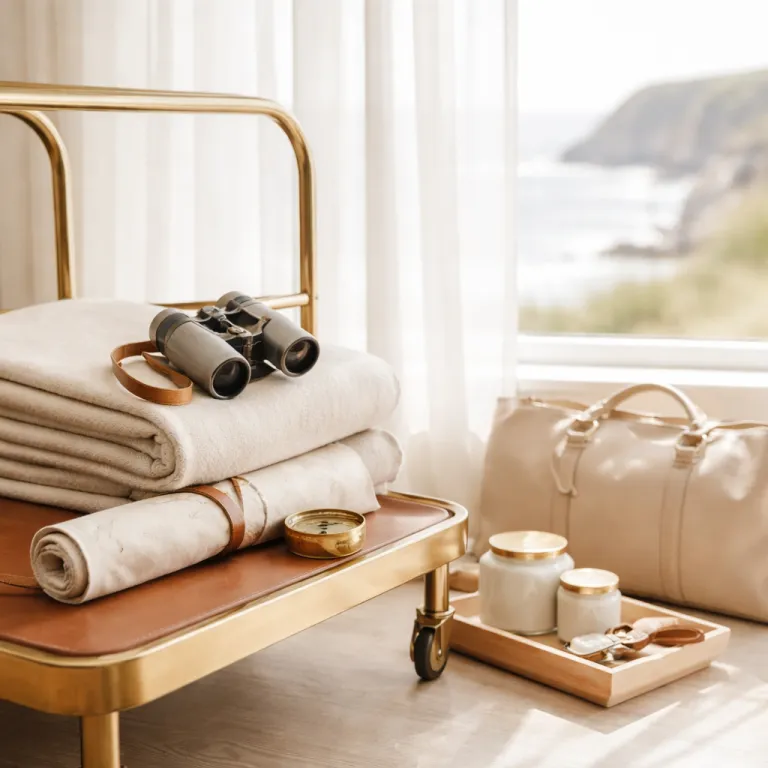
Northern Wild Atlantic Way hotels in Donegal and Sligo: remote drama, rare comforts
The northern stretch of west Ireland feels like the edge of the Atlantic, where sea cliffs, peat bogs and tiny harbours frame some of the most elemental places to stay. This is the least developed section for luxury hotels, yet the few properties that exist reward those who book early and plan their travel with care, because the distances between each hotel, set of rooms and services can be long and the roads slow. Think of this as your wildest chapter, where you trade dense clusters of hotels for a handful of carefully chosen bases in each county.
In County Donegal, Lough Eske Castle stands out among Ireland hotels as a true spa resort, with a serious thermal suite, a generous swimming pool and forest walks that feel wonderfully wild after rain. It works well as both a romantic getaway and a base for day trips to Slieve League, one of the highest sea cliffs in Ireland, so you can balance Atlantic drama with fireside comfort back at the hotel. From here, plan at least two nights to explore west Donegal properly, because the national park at Glenveagh, the beaches around Dunfanaghy and the quieter Atlantic headlands all deserve unhurried time. For most travellers, the nearest major gateway is Donegal or Ireland West Airport Knock, with car hire essential for reaching these more remote Wild Atlantic Way hotels.
South of Donegal town, Brian McEniff Hotels and Great National Hotels both operate reliable west coast accommodation options that suit travellers who want consistent service more than ornate luxury. These properties are often located close to golf courses or long beaches, which makes them practical places to stay when you are driving the Wild Atlantic Way route in stages. Expect classic hotel rooms rather than design statements, but also expect staff who know the road intimately and can suggest the best local pubs, viewpoints and short walks when the Atlantic weather turns. Many of these hotels offer on site parking and accessible ground floor rooms; some also provide pet friendly options on request, so it is worth confirming details directly when you book.
Connemara and west Ireland’s quiet core: manors, mountains and slow luxury
Between Sligo and Galway city, the Wild Atlantic Way hotels scene shifts from scarcity to a curated handful of characterful manors that feel stitched into the landscape. This Connemara corridor is where west Ireland excels at low key luxury, with properties located on private bays, salmon rivers and wooded estates that make you slow your travel rhythm almost automatically. Tourism Ireland’s current “Ireland Unrushed” message is lived rather than advertised here, because the best hotels in this region encourage you to stay at least three nights and let the Atlantic set the pace, especially if you are travelling outside the peak summer months.
Ballynahinch Castle, for example, is a historic manor hotel set on a 700 acre estate overlooking a renowned salmon fishery, with the Twelve Bens mountains rising behind like a painted backdrop. It is one of Ireland’s best places to stay if you want to combine a serious fly fishing programme with forest trails, fireside reading and quietly attentive service that never feels stiff, which suits solo travellers particularly well. Use it as a base to explore the wild coastline around Roundstone and the national park at Connemara, then return each evening to a spa style bath, a well mixed drink and the kind of Atlantic west sunset that lingers late. Typical stays here fall into the upper mid range to luxury price band, with Galway city and Ireland West Airport Knock the most convenient arrival points.
On the edge of Galway city, Glenlo Abbey Hotel bridges urban and rural experiences, giving you a manor feel with easy access to restaurants, galleries and the wider Wild Atlantic Way route. It will soon share the bay with The Hawthorn, a new five star property from the Connacht Hospitality Group, which is being developed with sustainability in mind and integrated into an existing golf resort on Galway Bay, according to recent announcements from the group and local media. For travellers planning to book a sequence of Wild Atlantic Way hotels, this Galway hub works beautifully between Donegal and Kerry, and it also connects neatly with new slow luxury openings such as The Grace on the Westport Estate, which you can read about in more depth in this guide to slow luxury on Ireland’s west coast. Many of these properties offer accessible rooms, on site parking and optional transfers from Galway train station, which simplifies arrival if you prefer not to drive immediately.
Galway Bay to County Clare: Atlantic cities, inland castles and cliff edge drama
Galway city itself is not short of hotels, but only a few really suit travellers tracing the Wild Atlantic Way who also want a refined stay. The g Hotel and Park House Hotel both offer polished service, strong food and easy access to the Atlantic promenade in Salthill, which makes them smart places to stay for one or two nights before you drive south into County Clare. If you prefer quieter luxury, look at properties located just outside the city, where you can still reach the centre in minutes but sleep with only the wind and distant Atlantic waves for company, and where parking, spa access and late check out are often easier to arrange.
Once you cross into Clare, the Wild Atlantic Way hotels landscape changes again, because the most famous sight here is the Cliffs of Moher and the Burren rather than a single iconic hotel. Many travellers choose to stay on the coast in smaller Ireland hotels, then drive inland to Dromoland Castle for a night or two of full scale luxury with a spa, golf and formal dining. That combination works well for solo travellers who want the best of both worlds, because you can spend your days on Atlantic cliff paths and your evenings in a manor style setting with a swimming pool, room service and staff who remember your name. Shannon Airport lies less than half an hour from Dromoland by car, which makes this section particularly convenient for short breaks and long weekend escapes.
From Galway to the Cliffs of Moher is roughly 75 kilometres, which translates into a relaxed two hour drive if you follow the coastal route and stop at viewpoints and small villages. Build at least two nights into your County Clare plan, one for the cliffs and Burren, and another to simply enjoy your chosen hotel without rushing back to the car. If you are flying into Shannon Airport, this section of west Ireland is an ideal starting point, especially if you want to book a short romantic getaway that combines Atlantic views, a serious spa resort and easy onward travel to Kerry or back north to Galway’s elegant bed and breakfast scene, which we cover in detail in our guide to elegant Galway city stays. Travellers with mobility needs should check in advance for step free access to cliff viewing platforms and confirm lift access to upper floor rooms in their chosen hotel.
Kerry’s Atlantic amphitheatre: timing, castles and coastal circuits
County Kerry is where many travellers first meet the Wild Atlantic Way, and it remains the most famous section of the route for good reason. The Ring of Kerry, Dingle Peninsula and Skellig coast combine into an Atlantic amphitheatre of mountains, islands and beaches, yet this fame means that the best hotels book out quickly in high season and the roads can feel crowded. To experience Kerry well, think in terms of timing and routing rather than chasing every viewpoint in a single frantic day, and consider travelling in shoulder seasons such as May, September or early October for a calmer experience.
Ballyseede Castle near Tralee is one of the classic Ireland hotels for travellers who want a castle stay without straying too far from the main Atlantic road. It works as a romantic getaway, but it also suits solo travellers who appreciate a strong sense of place, a good spa style bathroom and public rooms where you can read or work without feeling rushed. From here, you can drive west to Dingle, south to Killarney and the national park, or north towards the Shannon estuary, choosing your own Atlantic west loop depending on how many nights you have. Kerry Airport, with regular domestic and UK flights, sits within a short drive, and most guests arrive by rental car or pre booked transfer.
For a refined coastal base on the Dingle Peninsula itself, look to the curated selection we outline in our guide to the best hotels in Dingle for a refined coastal escape. These properties are located close to the harbour or on elevated sites with wide Atlantic views, and they range from intimate houses to larger hotels with a full spa and swimming pool. Aim for at least three nights in Kerry if you can, splitting your stay between Killarney for the national park and Dingle for the Atlantic edge, because this balance lets you enjoy the coast while still relaxing in some of Ireland’s best hotels. Pet friendly rooms, EV charging points and secure storage for bikes or surfboards are increasingly common in this region, but always confirm specific facilities before you finalise your booking.
West Cork and Atlantic west Ireland: where the route exhales
South of Kerry, the Wild Atlantic Way hotels scene in west Cork feels more dispersed, with small towns and inlets offering a quieter, more lived in version of coastal Ireland. Here, the Atlantic softens into long bays and sheltered coves, and the best hotels tend to be located in or near working communities rather than isolated on headlands. This makes west Cork ideal for solo travellers who like to walk out of their hotel into real streets, with cafés, bookshops and harbours all within a few hundred metres, and who value local food, live music and informal conversation as much as formal luxury.
In towns such as Bantry, Skibbereen and Clonakilty, you will find a mix of traditional hotels and newer properties that lean into spa resort facilities, with indoor swimming pools, thermal suites and treatment rooms that feel surprisingly sophisticated for their size. Many of these Wild Atlantic Way accommodation options are family run, which means the welcome is personal and the local knowledge deep, especially when it comes to recommending places to stay further along the Atlantic west route. If you are travelling with a dog, this is also one of the better regions for pet friendly rooms, although you should always book ahead and confirm policies directly with the hotel. Cork Airport and the rail links to Cork city provide the main access points, with onward travel by car or bus to the coastal towns.
Allow at least two nights in west Cork if you are driving the full 2,500 kilometre Wild Atlantic Way route, because this is where the journey begins to exhale and you can reflect on the counties you have crossed. From here, it is an easy onward drive to Cork city or back towards the east, and the road network is kinder than in the wilder north and west. Think of this final section as a gentle landing, where you can still embrace Atlantic walks and sea swims, but sleep in a well run hotel that understands the needs of travellers who have been on the road for days. If you are combining west Cork with an onward flight, allow generous time for coastal traffic and factor in a final night closer to Cork city or the airport.
How to plan and book Wild Atlantic Way hotels with confidence
The Wild Atlantic Way route runs for roughly 2,500 kilometres along Ireland’s west coast, with 157 official discovery points and more than 1,000 listed attractions. That scale means you cannot reasonably cover every county and every national park in a single short trip, so the most successful itineraries focus on two or three regions and choose hotels that match your travel style. For a first journey, a strong pattern is Donegal and Sligo for wild drama, Galway and Clare for culture and cliffs, then Kerry and west Cork for a softer Atlantic finale, with a minimum of two nights in each main base and longer stays where you want to enjoy spa facilities or guided activities.
When it comes to reservations, the most reliable methods remain online booking through hotel websites, direct contact with properties and the use of trusted travel agencies that know Ireland hotels well. The rise of digital platforms has made it easier to compare the best hotels, but for the Wild Atlantic Way specifically, availability can still be tight in peak months such as June, July and August, so you should book your key stays several months in advance. Remember the official guidance here: “Book in advance during peak seasons”, “Check hotel amenities before booking”, “Consider location proximity to attractions”. When comparing options, look for clear information on cancellation terms, parking, breakfast inclusion, accessibility features and pet policies, as these details can significantly shape your experience.
Driving distances between major hubs are manageable if you plan sensibly, with Galway to Killarney taking around three hours, Killarney to west Cork roughly two hours and Donegal town to Galway closer to four. Aim for a minimum of two nights in each main stop, three if you want to build in spa days, long walks and unstructured time in your chosen hotel. Whether you prioritise a manor style estate like Ballynahinch, a castle such as Ballyseede, a city base like Glenlo Abbey or a pet friendly spa resort in west Cork, the key is to let the Atlantic shape your route rather than your room rate alone. If you prefer not to drive, consider combining rail travel between cities with local tours and private transfers to reach more remote coastal properties.
Key figures for Wild Atlantic Way hotels and coastal stays
- The Wild Atlantic Way runs for approximately 2,500 kilometres along Ireland’s west coast, which means even a focused luxury itinerary usually covers only a fraction of the full route in a single trip (source: Tourism Ireland, Wild Atlantic Way overview, most recently confirmed in official route descriptions).
- There are 157 official discovery points along the route, so choosing hotels located near two or three of these clusters helps you reduce daily driving and increase time actually spent on Atlantic beaches, cliffs and villages (source: Fáilte Ireland, Wild Atlantic Way programme documentation).
- More than 1,000 attractions are listed along the Wild Atlantic Way, ranging from national park trails to heritage sites, which underlines why a minimum of two nights per county stop is recommended for a relaxed stay (source: Fáilte Ireland, product inventory and regional tourism audits).
- Hotels along the route operate year round, but seasonal variations in availability mean that peak summer and bank holiday weekends can sell out weeks in advance, especially for the best hotels with spa and swimming pool facilities (source: local tourism boards and annual occupancy reports along the west coast).
- Online booking and direct hotel contact remain the primary reservation methods for Wild Atlantic Way hotels, with innovation focused on better digital platforms rather than new offline systems (source: Great National Hotels and Brian McEniff Hotels booking guidance, plus industry commentary from Irish hospitality associations).
FAQ about Wild Atlantic Way hotels and luxury coastal stays
What is the Wild Atlantic Way?
The Wild Atlantic Way is a coastal touring route that runs for about 2,500 kilometres along the entire west coast of Ireland, from Donegal in the north to west Cork in the south. It links 157 official discovery points and more than 1,000 attractions, including national park landscapes, sea cliffs and harbour towns. For travellers, it functions as a clear spine around which to plan hotels, driving stages and activities, whether you are interested in spa resorts, castle stays or simple guesthouses.
Are there luxury hotels on the Wild Atlantic Way?
Yes, several luxury hotels are available along the route. You will find castle properties such as Ballyseede near Tralee, manor style estates like Ballynahinch in Connemara and full service spa resort hotels around Lough Eske and in west Cork. Availability varies by county, so it is wise to map your preferred hotels before fixing your driving plan. For the newest openings and upgrades, check recent announcements from Tourism Ireland, Fáilte Ireland and the hotel groups themselves, as these sources regularly confirm refurbishments and new developments.
Is it necessary to book hotels in advance on this route?
Yes, especially during peak tourist seasons. The most sought after Wild Atlantic Way hotels in counties such as Kerry, Clare and Galway often sell out well ahead of time, particularly rooms with Atlantic views or spa access. Booking early also gives you more choice of pet friendly options and flexible cancellation policies. Outside high summer, you may find more last minute availability, but it is still sensible to secure at least your first and last nights before you travel.
Which airport is best for starting a Wild Atlantic Way trip?
For the central and southern sections, Shannon Airport works very well, giving quick access to County Clare, Kerry and west Cork without long motorway transfers. If you plan to focus on Donegal and the far north west, Dublin Airport combined with a rental car or a domestic connection to Donegal Airport can be more efficient. Your choice should follow your preferred counties and the specific hotels you want to stay in, as well as flight availability from your home airport.
How many nights should I plan for each section of the route?
A comfortable pattern for luxury focused travel is two nights in Donegal, three around Galway and Connemara, two in County Clare, three in Kerry and two in west Cork. This gives you time to enjoy hotel facilities such as spa areas and swimming pools rather than treating them as quick stopovers. Solo travellers who like to unpack less often may prefer longer stays in fewer hotels, using them as bases for day trips along the Atlantic coast, while those on shorter trips can compress this pattern by dropping one region and adding an extra night to their favourite stop.
Trusted references for further planning
- Fáilte Ireland – official Wild Atlantic Way and accommodation planning resources, including discovery point maps and seasonal travel advice.
- Tourism Ireland – international travel guidance and regional inspiration for Ireland’s west coast, with regularly updated information on new hotels and route highlights.
- Local tourism boards in Donegal, Galway, Clare, Kerry and Cork – up to date information on hotels, seasonal events and road conditions, plus practical tips on parking, public transport and accessibility near major attractions.