Why ireland dark sky experiences noctourism belongs on your luxury itinerary
Luxury travel in Ireland is shifting quietly toward the night. As ireland dark sky experiences noctourism evolves, high end guests are asking concierges for access to darkness, stars and silence rather than only late check out and spa slots. The most interesting properties now treat the night sky as an amenity, not just a backdrop, weaving night sky tours and quiet viewing decks into their core offering.
Across the islands of Ireland, regional tourism boards are repositioning their wildest corners as sky tourism destinations. Two officially recognised dark sky areas anchor this movement, with Mayo Dark Sky Park and the Kerry International Dark Sky Reserve drawing visitors who value natural darkness as much as sea views. Mayo holds Gold Tier status from the International Dark-Sky Association, while Kerry is one of only a handful of Gold Tier reserves worldwide, so for discerning travellers that means choosing hotels where light pollution is controlled as carefully as the wine list.
In practice, ireland dark sky experiences noctourism means guided night walks, stargazing experiences on hotel lawns and curated events that pair astronomy with local food and music. Some national parks now work with luxury properties to offer private access to night skies normally reserved for researchers. When you enter this world of dark skies and quiet, sky friendly design, you start to plan dinner around moonrise rather than restaurant last orders, checking lunar calendars as carefully as you check tasting menus.
Irish hospitality has always excelled at the fireside moment after a long day outside. Now that same instinct extends into the night sky, with concierges arranging telescopes, blankets and hot drinks instead of only taxis back from town. For solo explorers, ireland dark sky experiences noctourism offers rare space to sit with your thoughts while the stars do the talking. It is still under the radar, which is precisely why to go now, before night sky tourism becomes as busy as daytime sightseeing.
Bioluminescent night kayaking in West Cork: phosphorescence and five star pillows
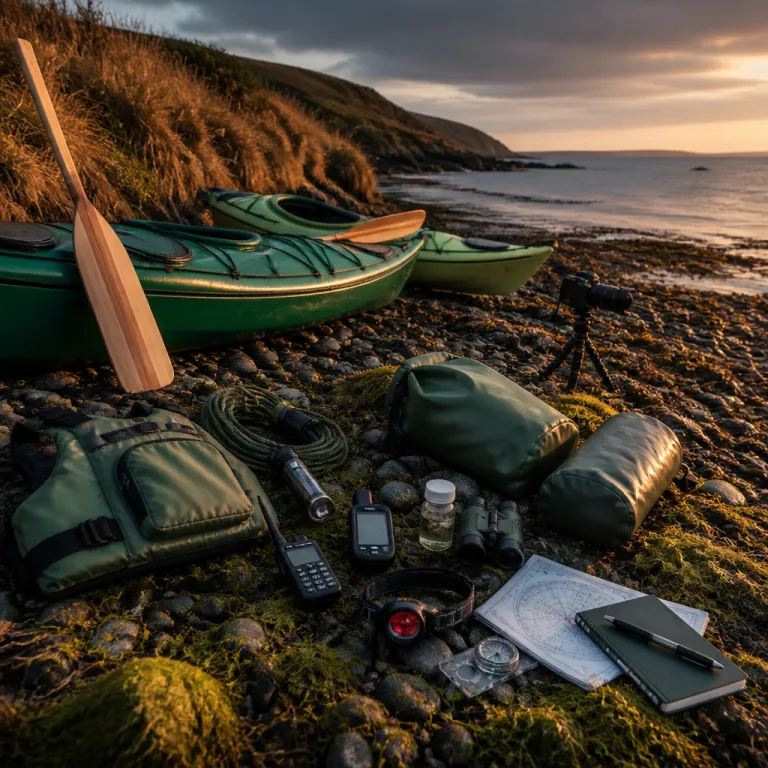
On the inlets of West Cork, ireland dark sky experiences noctourism takes the form of bioluminescent night kayaking. With operators such as Atlantic Sea Kayaking, you paddle in near total darkness while every stroke ignites phosphorescent plankton in the water. The effect is otherworldly, like watching stars spill from your paddle into the sea, and reputable providers publish seasonal schedules and contact details on their own booking pages so you can time it precisely.
What is phosphorescence? Light emitted by a substance without combustion or perceptible heat. On still summer night skies between May and September, typically around new moon phases, the sheltered bays near Inchydoney Island Lodge and Spa can glow with this natural light show. Local guides report visible bioluminescence on a significant proportion of calm, dark nights in peak season, and staff at this coastal hotel understand sky tourism and will arrange transfers, late suppers and heated outdoor pools timed for your return from the water.
For solo travellers, the guided night format matters because conditions can change quickly on the Atlantic. Reputable guides provide all equipment, read the skies and manage safety so you can focus on the experiences of silence, darkness and the soft sound of the kayak hull. Dress warmly in layers, even in high summer, and ask your hotel to store a dry bag with a robe and thick socks for the drive back, or to have a hot drink waiting in the bar when you return.
West Cork’s low light pollution makes it possible to see the Milky Way arching above while the sea glows below. This double sky park effect, with stars overhead and bioluminescence beneath, is rare even in international dark destinations. If you are structuring a wider trip around characterful coastal stays, pair Inchydoney with a few nights in Galway using this guide to the best bed and breakfast stays in Galway city and beyond for a balanced itinerary that alternates bright harbour evenings with deep rural darkness.
Mayo Dark Sky Park and Connemara lodges: where silence becomes the luxury
On Ireland’s west coast, Mayo Dark Sky Park has become a quiet benchmark for ireland dark sky experiences noctourism. This protected area near Ballycroy is recognised among the world’s leading dark sky parks, with natural darkness preserved as carefully as any heritage building. On clear, moonless nights, visibility can reach magnitude 6 or better, meaning thousands of stars visible to the naked eye and a clear Milky Way band stretching from horizon to horizon.
Local hosts such as Mayo Dark Sky Park staff run events that range from guided night walks to telescope based stargazing experiences. They work with regional tourism partners and environmental organisations to educate guests about light pollution and sustainable development in fragile rural communities. When you stand under that night sky, the argument for sky friendly lighting in towns and hotels becomes visceral rather than theoretical, and you see why official dark sky designation matters.
For accommodation, Delphi Resort in the Delphi Valley offers a strong balance of comfort and access to darkness. Rooms look onto mountains rather than motorways, and the resort keeps exterior light levels low so guests can step from the bar directly into a natural darkness that feels almost theatrical. A little further south, Lough Inagh Lodge in Connemara sits in a valley where the absence of nearby villages means the stars appear startlingly close, with only the outline of the Twelve Bens and Maumturk mountains framing the view.
Both properties can arrange bespoke ireland dark sky experiences noctourism, from private stargazing on the lawn to transfers for park events. If you are combining sky tourism with daytime sport, this guide to golf and stay in Ireland helps you align fairways with dark skies. The key is to choose hotels that treat the night as an asset, not an inconvenience to be flooded with light, and to ask specific questions about lighting policies before you book.
Kerry’s sky reserve and stargazing from grand old resorts
On the Iveragh Peninsula, the Kerry International Dark Sky Reserve is Ireland’s flagship sky reserve. Here, ireland dark sky experiences noctourism intersects with some of the country’s most established coastal resorts, creating a rare blend of old world service and cutting edge sky tourism. The reserve’s status within the international dark sky movement has encouraged hotels to rethink everything from car park lighting to late night programming, with some publishing dedicated dark sky pages outlining their commitments.
Parknasilla Resort and Spa, set among islands and inlets near Sneem, is particularly well placed. Its grounds stretch over several kilometres, allowing guests to walk from the main house into pockets of near total darkness within minutes. Staff can provide red filtered torches, blankets and flasks for guided night walks that end with stargazing experiences on quiet headlands, and concierges often coordinate timings with local astronomy clubs and reserve rangers.
On clear winter months, the night skies here can feel almost alpine in their sharpness. Cold air and minimal light pollution combine to reveal a density of stars that surprises even seasoned travellers, especially those more used to the washed out skies of England or the United States. Ask the concierge to coordinate with local astronomy groups for small scale events, which often include telescope access and informal talks about constellations and navigation, sometimes advertised on community noticeboards and regional tourism sites.
For solo explorers, Kerry works well because you can fill your days with coastal drives and sea swims before leaning fully into ireland dark sky experiences noctourism after dinner. When planning, remember that the best stargazing often coincides with the quietest tourism periods, so be prepared for shorter restaurant hours and fewer services. That trade off buys you something rare in modern travel: the sense that the night still belongs to the landscape, not the street lamps, and that your luxury stay is shaped around darkness rather than daylight.
Designing a sky friendly luxury stay: practical tips for noctourism in Ireland
Planning ireland dark sky experiences noctourism starts with choosing the right base. Look for hotels that mention dark skies, night sky viewing or stargazing experiences explicitly in their materials, rather than treating them as an afterthought. Properties near national parks or recognised dark sky areas usually have a more thoughtful approach to exterior light and guest programming, and many now highlight nocturnal activities alongside spa and golf offerings.
When you book, email the concierge with specific questions about night activities. Ask whether they can arrange guided night walks, transfers to Mayo Dark Sky Park or the Kerry sky reserve, or private use of hotel grounds for stargazing. Mention your interest in low light rooms and request that exterior lights near your window be dimmed where possible, which many independent properties will accommodate, and ask if they can share links to local astronomy clubs or park event calendars.
Packing is straightforward but non negotiable if you want to enjoy ireland dark sky experiences noctourism comfortably. Bring layered clothing suitable for winter months even in shoulder seasons, as standing still under a clear sky cools the body quickly. A thin hat, gloves, waterproof outer shell and sturdy shoes will serve you as well on a sky park trail as on a coastal path at dusk, and a small red light headlamp helps you move around without spoiling your night vision.
For dining, consider earlier seatings so you can step outside when the night skies are fully dark rather than rushing dessert. Some of Ireland’s most ambitious hotel kitchens now align tasting menus with special events such as meteor showers or regional astronomy festivals, a trend tracked in depth in our feature on the hotel kitchens earning their place at the top. The most rewarding itineraries treat the night as a chapter of the day, not a blank space between bar closing and breakfast, and build in rest so you can stay outside for several hours without fatigue.
How Ireland compares: learning from international dark sky destinations
To understand ireland dark sky experiences noctourism, it helps to place it alongside more established destinations. In England, for example, Northumberland National Park and the nearby Kielder Observatory have built a strong reputation for sky tourism, with structured events and a mature accommodation scene. Guests there move between country inns and observatory sessions with the ease of a well worn trail, booking through centralised portals and long running star camp festivals.
Ireland’s advantage lies in the combination of natural darkness, Atlantic weather and a still emerging tourism infrastructure. You will not find a large chain hotel on every corner near Mayo Dark Sky Park or the Kerry sky reserve, and that relative scarcity keeps the experience closer to wilderness than theme park. At the same time, luxury properties such as Delphi Resort, Parknasilla Resort and Inchydoney Island Lodge offer service levels that match anything in Northumberland or other international dark sky regions, while still feeling rooted in local communities.
For solo travellers used to the more codified systems of large national parks, Ireland’s approach can feel refreshingly human. You email a host at Mayo Dark Sky Park or the Kerry International Dark Sky Reserve and receive a direct reply rather than an automated portal response. Local guides balance astronomy with stories about farming, fishing and regional history, grounding the stars in lived experience and often pointing you toward village cafés, heritage centres and small museums for the following day.
As ireland dark sky experiences noctourism matures, expect more sky friendly design in new builds, from shielded lights to blackout curtains as standard. The most thoughtful hoteliers already see darkness as a resource that supports both guest wellbeing and sustainable development in rural communities. For now, you still have the sense of arriving slightly ahead of the curve, which is exactly where discerning travellers prefer to be, with room to shape how night sky tourism in Ireland develops.
FAQ
What is phosphorescence and where can I see it in Ireland ?
Phosphorescence is light emitted by a substance without combustion or perceptible heat, and in Ireland it is most commonly experienced as bioluminescent plankton in sheltered bays. Night kayaking operators in West Cork, particularly around the Inchydoney area, run guided trips during the warmer months when conditions are right. Ask your hotel concierge to recommend reputable providers and to time your booking with dark, calm nights, and check operator websites or contact pages for current season dates.
Are ireland dark sky experiences noctourism suitable for beginners ?
Yes, most ireland dark sky experiences noctourism are designed for curious beginners rather than expert astronomers or seasoned kayakers. Nighttime outdoor activities such as guided walks in Mayo Dark Sky Park or bioluminescent kayaking in West Cork include full briefings and equipment. As one official guide explains, “Are these activities suitable for beginners? Yes, guided tours cater to all skill levels,” and many providers list clear difficulty ratings and safety information on their booking pages.
How should I dress for night kayaking and stargazing in Ireland ?
Even in summer, Irish nights near the Atlantic can feel cold once you stop moving. Dress in warm, breathable layers with a waterproof outer shell, and add a hat and gloves for stargazing sessions where you may stand still for long periods. For kayaking, follow your operator’s guidance on footwear and bring a complete change of clothes to leave at your hotel or in the transfer vehicle, including a dry base layer and thick socks.
When is the best time of year for dark sky and stargazing trips ?
For bioluminescent kayaking, the most reliable conditions usually fall between late spring and early autumn, when water temperatures and plankton levels are favourable. For pure stargazing, the clearest night skies often occur in the colder winter months, when the air is crisp and humidity is lower. Many travellers choose shoulder seasons to balance comfort, darkness and overall tourism levels, and to have a realistic chance of both clear skies and bioluminescent displays.
How far in advance should I book dark sky activities and hotels ?
Specialist ireland dark sky experiences noctourism, especially small group kayaking or guided sessions in Mayo Dark Sky Park and the Kerry sky reserve, can sell out quickly during peak periods. It is wise to secure both your hotel and your key night activities several weeks ahead, then remain flexible on exact evenings to work around weather. Always reconfirm timings with your concierge a day or two before, as local operators may adjust schedules for cloud cover or sea conditions, and check their online updates on the morning of your tour.