Why irish hotel farm to table dining matters for luxury travellers
Across Ireland, the most interesting luxury properties now treat the farm as seriously as the spa. For couples planning travel around food, Irish hotel farm-to-fork dining in country houses and city hotels has become a quiet filter that separates a pleasant stay from a stay that feels rooted in a particular county and its people. When you choose a house where the chef can point from your plate to a nearby field, you feel an immediate and very Irish sense of place.
Industry commentary from the Irish Hotels Federation suggests that a growing share of high end hotels now maintain some form of on site garden or farm, from compact kitchen plots to working estates. That shift matters for Irish hotel farm to table dining because it signals a move from token herb beds to serious production, often supported by greenhouses and walled garden plots that extend the short Irish growing season. When you browse a booking website such as myirelandstay.com, you can already see this language appearing alongside room categories and spa access, a sign that provenance and local sourcing are now a core part of the offer.
For couples, the appeal is both romantic and rational. You gain the sensory theatre of walking through a kitchen garden before dinner, yet you also know that seasonal ingredients have travelled perhaps 15 km rather than crossing land and sea in refrigerated trucks. That combination of intimacy and responsibility sits at the heart of modern Irish cuisine, where chefs talk about deep respect for local farmers and artisan producers with the same seriousness once reserved for wine lists and cellar tours.
The walled garden hotel: from house garden to tasting menu
Some of the most compelling Irish hotel farm-to-fork dining happens behind stone walls rather than on open farmland. At Ballymaloe House in County Cork, the original farm and walled garden still shape the rhythm of the day, from free range eggs at breakfast to ice cream spun from the estate’s own cream at dusk. When you stay in the main house, you can walk from the restaurant to the vegetable beds in minutes and see the seasonal ingredients that will appear on your plate that evening.
Hotels such as Ballyvolane House and Ballynahinch Castle have taken a similar path, turning once ornamental grounds into productive kitchen gardens that anchor their dining experience. In these places, the farm-to-table ethos is not a slogan but a working system, where chefs meet local suppliers at the gate each morning and adjust menus according to what the farm, the garden and the nearby land and sea have yielded. For couples booking a romantic break, this means that a simple farm table lunch can feel as considered as fine dining, because the same chefs are cooking it and the same local seasonal produce is in play.
Planning ahead matters if you want to secure the best tables and special events. Many of these houses now host garden suppers, cookery school weekends and small harvest festivals that sell out quickly, especially in County Cork and neighbouring counties with strong food cultures. When you research private and intimate hotel dining rooms, guides such as refined spaces for private dining in Killarney hotels can help you pair a walled garden ethos with the level of privacy and service your trip deserves.
From coastal farms and fisheries to Dublin and Belfast dining rooms
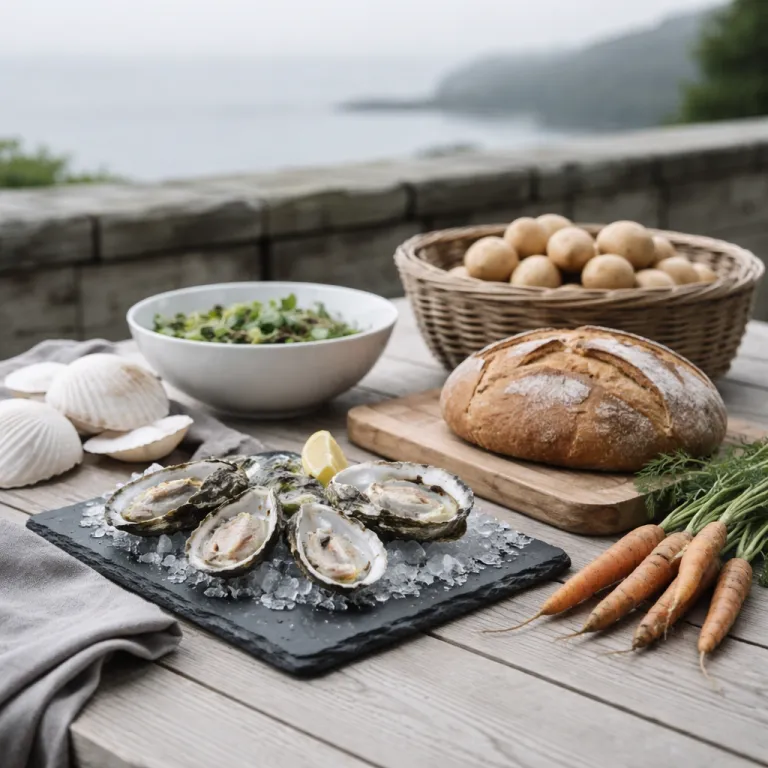
Not every Irish hotel farm to table dining story begins in a walled garden; many start on windswept headlands and tidal inlets. Along the Atlantic near Galway and in pockets of County Cork, chefs work directly with oyster farms, seaweed foragers and small scale fishermen whose land and sea knowledge runs deeper than any menu description. When you sit down to a tasting menu in a coastal restaurant, you are often tasting the work of a handful of local farmers and fishers who supply that kitchen alone.
The same supply chain intimacy now shapes urban luxury hotels in Dublin and Belfast. At a serious restaurant in Dublin or a destination restaurant Belfast side, the chef might pair vegetables from a nearby farm cooperative with line caught fish and dairy from a single county, then send a more relaxed version of those dishes upstairs as room service. Guides to refined vegan room service, such as this overview of Dublin hotel room service with thoughtful plant based options, show how city properties are using local seasonal produce to elevate even late night dining.
In Belfast, the best restaurant Belfast addresses now treat Irish cuisine as a conversation between land and sea, not a fixed canon. You might begin with free range chicken from a County Down farm table, move to vegetables grown in a hotel garden partnership and finish with ice cream made from cream supplied by a single herd. For couples who care about provenance, this is where Irish farm-to-fork dining becomes a lens through which to choose between otherwise similar five star properties.
The Michelin effect and the rise of producer led menus
The arrival of more Michelin stars in Ireland has sharpened the focus on sourcing rather than softened it. When a chef earns a star for a dining experience built on Irish ingredients, as at The Pullman Restaurant at Glenlo Abbey Hotel & Estate or Restaurant Patrick Guilbaud in Dublin, it sends a clear signal that local seasonal produce can support world class fine dining. That recognition encourages other chefs to deepen relationships with local farmers, fishermen and artisan producers instead of chasing imported luxury for its own sake.
Behind the scenes, the summer menu changeover is where Irish hotel farm to table dining becomes most visible. From June onwards, chefs sit down with growers, school county based cookery school teams and trusted local suppliers to map out which seasonal ingredients will peak when, then build menus that can flex if the weather shifts. In some County Cork kitchens, the conversation might start in the cookery school classroom at Ballymaloe House, where “What is farm-to-fork dining?” and “Why is farm-to-fork dining popular?” are not abstract questions but daily practice.
For guests, the Michelin effect shows up in the quiet details. A tasting menu might name the farm that raised your free range lamb, the walled garden that grew your herbs and the dairy that produced the cream for your ice cream, yet the tone remains understated rather than preachy. At one coastal property, for example, you might see Rossaveal lobster served with carrots from a farm 12 km away and cream from a dairy just 8 km from the kitchen, each producer named on the menu. When you compare options on a booking website, look for this producer led language; it usually signals a kitchen where deep respect for Irish food culture runs all the way from farm fork philosophy to the last petit four.
How to book and experience farm led luxury stays across Ireland
Choosing the right property for Irish hotel farm-to-fork dining starts with asking precise questions. When you contact a hotel or browse its website, look beyond generic phrases and ask which farm or garden supplies most vegetables, which local farmers provide meat and whether the chefs can adapt menus around seasonal ingredients during your stay. A serious house will answer quickly and specifically, naming counties, producers and even the distance from farm to kitchen.
Once you arrive, treat the grounds as part of the dining room. Walk the garden with the head gardener if possible, or join any scheduled events such as foraging walks, cookery school demonstrations or visits to nearby artisan producers that the hotel organises for guests. Many estates now pair spa itineraries with food focused activities, and guides such as this look at Ireland’s best hotel spas that quietly outdo the headline destinations can help you balance treatments with time at the farm table.
For couples planning a longer loop through Ireland, it can be rewarding to mix counties and styles. Spend a few nights in County Cork at a house with a historic walled garden, then head to Galway for a coastal restaurant that leans into land and sea pairings, before finishing in Dublin or Belfast where urban chefs reinterpret Irish cuisine with global influences. Across these stays, you will see how Irish farm-to-fork dining shifts subtly from place to place, yet always returns to the same core idea of deep respect for the people and landscapes that feed you.