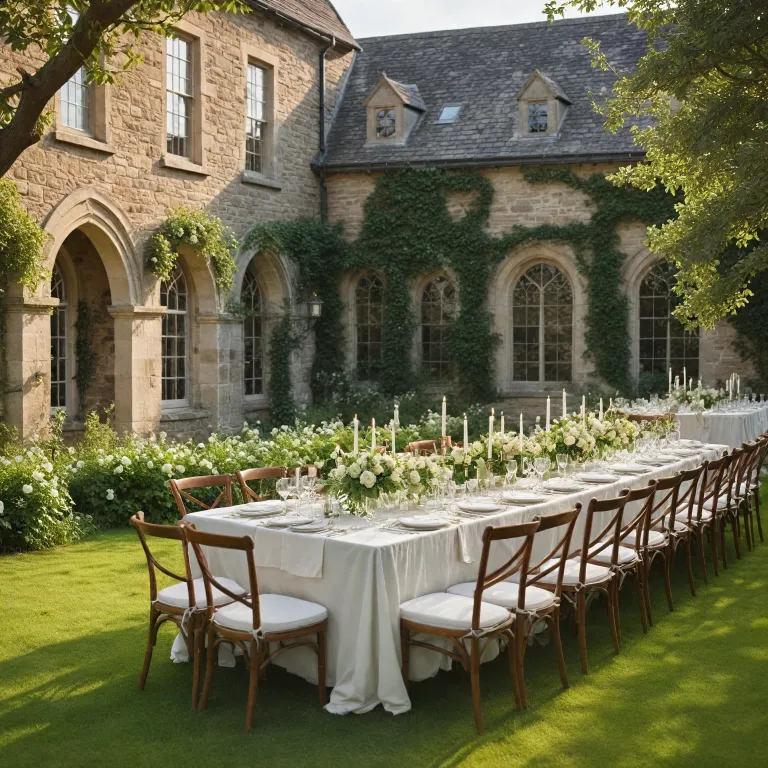
Planning an elegant day in the finest irish wedding venues
Choosing between the many irish wedding venues is the first major decision for couples planning an elegant day. Across ireland, hotels host around 60 percent of weddings, which makes them a natural starting point for anyone who values service, convenience, and polished reception spaces. Yet castles, a private manor, or a historic country house often appeal to couples who want a more intimate atmosphere for their wedding day.
The shift from religious to civil weddings has transformed how couples evaluate each wedding venue, especially when comparing a city hotel in dublin with a rural estate or castle in the west. Over seven hundred licensed venues now allow you to hold both ceremony and reception on the same site, which simplifies logistics for guests and reduces the need for additional transport between church and party. This flexibility is particularly valuable when you are inviting an average of 135 guests and want every moment of the day to feel seamless and calm.
Luxury expectations have also evolved, with modern luxury now defined as much by privacy, space, and tailored service as by chandeliers and ballrooms. Many couples shortlist several wedding venues using virtual tours before committing to in person viewings, taking advantage of the fact that around 65 percent of venues now offer detailed videos and 3D walkthroughs. Whether you are drawn to a lakeside castle, a grand dublin city hall reception, or a discreet country house hotel, understanding the landscape of irish wedding venues will help you match your priorities with the right place.
Castles, manors, and estates for a storybook wedding in ireland
For many couples, irish wedding venues mean one thing above all others ; a castle or historic estate that feels lifted from a storybook. Names such as ashford castle, dromoland castle, and castle leslie have become synonymous with luxury weddings in ireland, each offering a different balance of grandeur, intimacy, and modern luxury comforts. These castle venues typically sit within extensive grounds, allowing you to plan an outdoor ceremony, a lakeside drinks reception, or fireworks that frame the house in dramatic light.
Adare manor, markree castle, and waterford castle are particularly appealing if you want a wedding venue that combines five star hotel service with the exclusivity of a private estate. Many of these properties offer full takeovers, giving you and your guests private use of the castle, the surrounding parkland, and every reception room for the duration of your stay. When comparing options, pay close attention to how each venue manages guest flow between ceremony, drinks, dinner, and late night dancing, especially if you are planning a large wedding with more than 150 guests.
Country houses such as kilshane house, carton house, gloster house, and tankardstown house provide a slightly softer expression of luxury, often with glass pavilions or orangeries that suit both indoor and outdoor style celebrations. These estates can feel like an elegant private house party, while still operating with the precision of a luxury hotel. If you are drawn to heritage architecture, it is worth reading more about historic luxury hotels in ireland to understand how different properties balance period charm with contemporary comfort.
Hotel venues in dublin and beyond for refined city weddings
City based irish wedding venues offer a different kind of appeal, especially for couples who value easy access, late night energy, and a wide choice of nearby accommodation. In dublin, a luxury hotel can host both civil weddings and lavish receptions, while iconic civic spaces such as city hall provide a dramatic backdrop for the ceremony itself. Many couples choose to hold their legal wedding in city hall, then move to a nearby hotel or private house style venue for dinner and dancing.
Hotels in regional hubs such as cork, galway, and limerick also play a central role in the wedding landscape, particularly for larger weddings where guest numbers approach or exceed the national average of 135. These properties often offer inclusive packages that cover room hire, a multi course menu, drinks, and late night food, which can help you keep the overall venue cost close to the national average of around €15,000. When comparing hotel venues, ask detailed questions about minimum numbers, bar pricing, and what is included in the quoted rate for your wedding day.
For couples who want a city celebration but prefer a slightly quieter setting, it can be worth exploring luxury hotels in smaller destinations such as killarney, where historic properties combine character with strong wedding expertise. You will find helpful context in guides to unique historical hotel experiences in killarney, which often highlight how these venues manage guest stays around a busy wedding schedule. Whether you choose dublin, cork, or a lakeside town, a well run hotel remains one of the most reliable types of irish wedding venues for service and logistics.
Country houses, park lodges, and village style venues for intimate weddings
Not every couple wants the scale of a grand castle or large city hotel, and ireland excels at more intimate wedding venues that still feel deeply luxurious. Properties such as virginia park, ballymagarvey village, and park lodge specialise in weddings that feel like a relaxed house party, with guests staying on site or in nearby accommodation. These venues often include multiple indoor and outdoor ceremony options, from walled gardens to candlelit halls within the main house.
Tankardstown house, kilshane house, carton house, and gloster house each offer their own interpretation of country house luxury, with glass pavilions, courtyards, or woodland settings that work beautifully for summer weddings. Many couples choose these estates because they want their wedding day to unfold in one self contained venue, where guests can move easily between ceremony, drinks, dinner, and late night music. This style of wedding venue is particularly suited to civil weddings, humanist ceremonies, and multi day celebrations where you host a welcome dinner or farewell brunch.
When assessing these irish wedding venues, pay attention to how the property manages accommodation for key guests, as room numbers in the main house are often limited. Some couples reserve the house for immediate family and wedding party, then arrange transport for other guests from nearby hotels or bed and breakfasts. If you are considering a celebration in cork or the south west, it can be helpful to review options for elegant bed and breakfast stays that complement your chosen wedding venue and keep everyone close to the festivities.
Outdoor ceremonies, modern luxury, and practical planning for your wedding day
One of the most frequent questions about irish wedding venues concerns the feasibility of an outdoor ceremony or reception, given the famously changeable weather. Many castles, estates, and hotels now offer flexible setups where an outdoor plan is backed by an elegant indoor alternative, allowing you to decide on the morning of the wedding. When visiting a potential wedding venue, ask to see both options and walk the exact route your guests will take between ceremony, drinks, and dinner.
Modern luxury in ireland increasingly means thoughtful details rather than overt opulence, from locally sourced menus to quiet, well designed bedrooms for overnight guests. Hotels and estates that specialise in weddings often provide dedicated coordinators, tasting sessions, and detailed timelines to ensure that every part of the day runs smoothly. As one industry overview notes, "The average cost of a wedding venue in Ireland is €15,000, up from €12,000 in 2020."
From a planning perspective, it is wise to assume a booking lead time of around fourteen months for the most sought after wedding venues, especially for peak summer Saturdays. Around 30 percent of venues offer off peak packages, which can significantly reduce costs if you are open to a weekday or winter wedding. Combining this flexibility with virtual tours, which are now available from roughly 65 percent of venues, allows you to refine your shortlist efficiently before committing to in person visits.
Comparing iconic irish wedding venues by style, capacity, and guest experience
With so many irish wedding venues available, a structured comparison can help you move from inspiration to a confident decision. Start by grouping venues into broad categories such as castles, hotels, country houses, and civic spaces like city hall, then note how each aligns with your priorities for style, capacity, and budget. For example, ashford castle, dromoland castle, and eske castle offer dramatic architecture and extensive grounds, while a dublin hotel or manor style property may provide easier access for international guests.
Next, consider how each wedding venue handles the flow of the day, from ceremony to late night dancing, and how this will feel for your particular group of guests. Adare manor, castle leslie, and ballymagarvey village are known for immersive multi day experiences, while venues such as waterford castle, markree castle, and lough eske focus on combining natural scenery with refined hotel service. City based options, including dublin hotels and civic venues, may suit couples who want a shorter, more concentrated celebration with strong transport links.
Finally, look closely at what each venue offers in terms of added value, from menu tastings and spa access to exclusive use of the house or estate. Modern luxury is often expressed through flexibility, so ask whether the venue can adapt menus, timelines, or spaces to reflect your cultural traditions or personal preferences. By weighing castles, hotels, manors, and park lodge style properties side by side, you can select the irish wedding venues that will turn your wedding day into an experience your guests will remember for years.
Key statistics on irish wedding venues and ceremonies
- Number of marriages in ireland annually is approximately 20,348, indicating a consistently strong demand for wedding venues.
- Around 60 percent of weddings in ireland are held in hotels, underlining their central role in the market.
- The average cost of a wedding venue in ireland is about €15,000, reflecting rising expectations around service and facilities.
- The typical guest count for weddings in ireland is approximately 135 guests, which influences capacity planning for many venues.
- More than 700 venues across ireland are licensed for civil ceremonies, including hotels, castles, country houses, and restaurants.
- Approximately 65 percent of venues now offer virtual tours or videos, helping couples shortlist options efficiently.
Frequently asked questions about irish wedding venues
What is the average cost of a wedding venue in ireland ?
The average cost of a wedding venue in ireland is around €15,000, which typically includes room hire, a multi course meal, and some reception essentials. Prices vary by region, with landmark castles and five star hotels often sitting above this figure, while smaller country houses and off peak dates can be more affordable. When comparing quotes, always check what is included, such as drinks, décor, and late night food, to ensure you are evaluating venues on a like for like basis.
What percentage of weddings in ireland are held in hotels ?
Approximately 60 percent of weddings in ireland take place in hotels, making them the most common type of wedding venue nationwide. Couples are often drawn to hotels because they combine ceremony spaces, reception rooms, and guest accommodation under one roof, which simplifies logistics. This dominance also means that hotels usually have experienced wedding teams, established supplier relationships, and clear packages that help couples understand overall costs.
How many venues in ireland are licensed for civil ceremonies ?
There are more than 700 venues in ireland licensed for civil ceremonies, spanning hotels, castles, country houses, and restaurants. This breadth of choice allows couples to hold both the legal ceremony and the reception in a single location, whether that is a city hotel, a lakeside castle, or a rural manor. When considering a civil ceremony, it is important to confirm both the venue’s licence status and the availability of a registrar or celebrant for your preferred date.