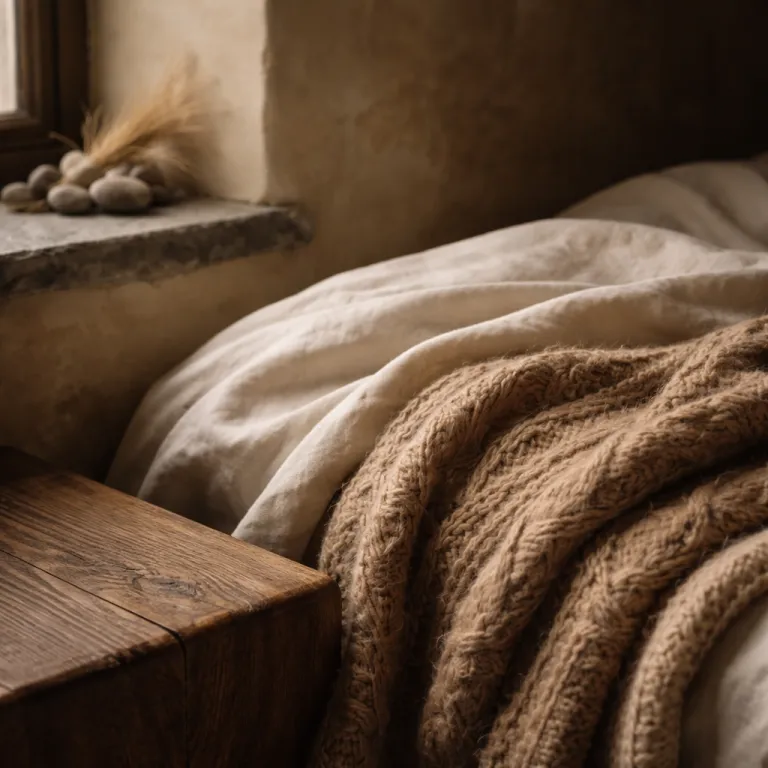
Slow tourism reshapes ireland’s luxury hotel landscape
Slow tourism in Ireland now means more than simply adding an extra night to a hotel stay. It describes a shift in how guests use their time, with fewer daily excursions and more attention to the quality of each moment in a luxury room or suite. For luxury hotels in Ireland embracing slow tourism, that translates into itineraries where a single walk along the wild Atlantic coast and an unhurried afternoon in a luxury spa replace the checklist of five rushed attractions.
Tourism Ireland’s nationwide “Ireland Unrushed” campaign, running alongside the “Ireland Goes Beyond” advertising push, is explicitly designed to steer visitors toward longer, more immersive stays in hotels Ireland wide. In its 2024 slow travel guidance, the organisation defines the concept in plain terms: “What is slow tourism? Travel focusing on immersion and relaxation.” and “How to participate in 'Ireland Unrushed'? Choose featured accommodations and plan leisurely itineraries.”, while also confirming that “Are there special offers for 'Ireland Unrushed'? Yes, participating providers offer exclusive packages.”. Tourism Ireland’s 2024 performance update and its 2023–2024 sentiment report, both published on tourismireland.com, provide the data that is already nudging five star properties, castle estates and coastal lodges to reframe their prices, minimum stay rules and on property experiences.
Data from Tourism Ireland’s 2024 performance update shows a double effect that matters for every luxury hotel located on the island. Overseas visitor numbers rose by 24 percent in the first quarter compared with the previous year, with spending up by the same margin, while a separate 2023–2024 sentiment report notes a 15 percent increase in interest for slow tourism and a 10 percent rise in luxury stay bookings. For travellers comparing locations and checking prices, that surge raises a practical question: can Ireland’s slow-travel luxury stays maintain a sense of calm when demand for rooms, spa appointments and restaurant tables is climbing so quickly.
From wild atlantic routes to castle retreats and greenway arrivals
On the ground, high end hotels in Ireland built around slow tourism are translating policy language into concrete experiences that start long before check in. Along the wild Atlantic seaboard, properties such as Cliff House Hotel in Ardmore and Sheen Falls Lodge in Kenmare are curating two and three night packages that pair coastal walks with slow tasting menus and late check out, rather than pushing guests toward packed sightseeing schedules. These hotels are located at natural pause points on driving routes, turning what used to be a one night stop into one of the defining places to stay in a longer stay Ireland itinerary.
Castle properties are leaning into the same rhythm, but with a different texture that suits the executive traveller extending a Dublin or Shannon business trip. At Ashford Castle on Lough Corrib, Dromoland Castle in County Clare and Lough Eske Castle near Donegal town, the emphasis is on multi day stays where guests move between falconry lawns, lake views, hot tub terraces and quiet library rooms without leaving the estate. These five star hotels Ireland wide are also adjusting their prices and minimum stay incentives, encouraging guests to check prices for three night stays that include on site activities rather than booking a single room for a rushed overnight.
That shift is mirrored in the way high end travellers now research luxury hotels and resorts. On myirelandstay.com, guides to five star international properties redefining luxury and premium hotel booking in Ireland show how curated itineraries, clear information on room categories and transparent prices help guests commit to longer stays. One recent sample offer, for example, outlines a three night manor house escape with breakfast, one spa ritual and a guided greenway cycle from €420 per person in shoulder season, giving guests a concrete sense of value. As one Dublin-based guest quoted on the site notes, “I arrived for a single meeting and ended up staying three nights — the greenway cycle and the quiet spa afternoon made it feel like a real break.” Executives who once flew in for a meeting and a single night now use Ireland’s slow tourism luxury hotels as a base, adding days to stay Ireland for greenway cycling, inland waterway cruises or a quiet afternoon in a manor house spa before heading back to the office.
Bleisure, capacity pressures and the rise of unique stays
The most interesting test for Ireland’s slow-travel luxury hotels lies in the bleisure segment, where high service expectations meet the new unhurried narrative. Business travellers landing in Dublin or Shannon want reliable Wi Fi, efficient check in and clear prices, but they also want a room with a view, a spa appointment that is not squeezed between calls and the option to stay on for two or three nights without changing hotels. As one general manager at a coastal lodge, Siobhán Kelly, notes, “Our guests might log off at four, walk the headland for an hour and be back in time for a slow tasting menu at eight — that balance is what keeps them returning.” Properties that manage to balance those needs, from city addresses near major venues to country lodges with strong transport links, will capture the most valuable stays.
Capacity is the other pressure point, especially in unique places that have become social media fixtures. Ashford Castle, Dromoland Castle, Lough Eske Castle and Sheen Falls Lodge all report strong demand for rooms with the best views, suites with private hot tub access and cabins or lodges that promise unique stays close to nature. When overseas visitors are up by nearly a quarter, managers must decide whether to raise prices, add more rooms or protect the slow tourism promise by holding occupancy below the absolute maximum and focusing on on site experiences that keep guests content without constant excursions.
That is where detailed planning and honest guidance from platforms such as myirelandstay.com matter for anyone comparing Ireland’s slow tourism luxury hotels. A curated list of elegant places to stay near Dublin’s 3Arena, for example, helps travellers check prices, assess each location and choose hotels located within easy reach of both meetings and cultural evenings. Cross referencing those Irish options with international case studies of canal side luxury stays with grand views in Venice shows how the same principles apply: when a hotel, resort or manor house invests in thoughtful on property activities, from tasting menus to quiet spa rituals, guests feel less pressure to rush out, and slow tourism becomes a lived reality rather than a marketing line.