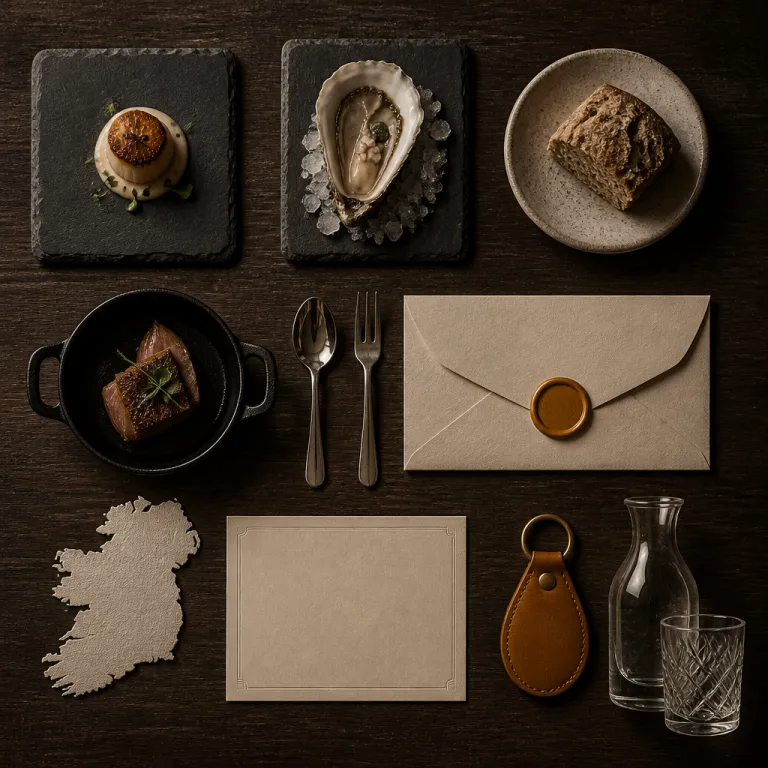
How Ireland’s evolving luxury booking pipeline transforms gourmet hotel stays
How Ireland’s evolving luxury booking pipeline transforms gourmet hotel stays
Across Ireland, a new generation of integrated luxury hotel booking pipelines is quietly reshaping how guests plan gastronomic escapes. This refined digital layer connects premium booking platforms with hotel kitchens, reservation systems, and guest profiles in a far more fluid way. For travellers, that means your room choice, dinner reservation, and dietary preferences can now be aligned before you even land in Dublin or Cork.
On leading Irish booking websites, this integrated pipeline approach allows real time visibility of chef’s tables, tasting menus, and seasonal packages. Instead of booking a room first and hoping for a dinner slot later, you increasingly see combined offers that pair suites with guaranteed seats at signature restaurants, often including wine pairings or chef meet and greet experiences. This shift especially benefits guests targeting high demand properties such as Adare Manor, Ashford Castle, or The Merrion, where restaurant reservations can be as coveted as the rooms themselves.
For premium hotels, the modern booking pipeline model supports more precise forecasting of food and beverage demand, which directly influences menu planning and staffing. When a booking engine knows that a majority of arriving guests have pre selected tasting menus, chefs can refine purchasing, reduce waste, and elevate quality by focusing on fewer, better sourced ingredients. Travellers feel the impact in the plate, through sharper flavours, more confident cooking, and a sense that the entire property is orchestrated around their stay rather than reacting at the last minute.
Inside the kitchen: how Irish hotel chefs adapt to the new booking flow
In conversations with executive chefs at luxury hotels across Ireland, one theme recurs: the integrated booking pipeline is changing how they design menus. When reservation data arrives earlier and in richer detail, chefs can align tasting journeys with guest profiles, length of stay, and even arrival times. That level of foresight is especially valuable in rural estates where supply chains are longer and weather can disrupt deliveries.
At properties such as Ballyfin Demesne in County Laois or Park Hotel Kenmare in Kerry, chefs now receive dashboards summarising upcoming guest patterns drawn from the central booking flow. They see how many couples have booked anniversary packages, how many solo travellers requested counter seating, and how many families indicated vegetarian or gluten free preferences. This information shapes everything from the number of canapés prepared to the pacing of multi course menus, ensuring that service feels composed rather than rushed.
According to a senior chef at a five star hotel near Killarney, internal analysis of one 2023 summer season showed that advance menu data from the booking system helped cut food waste by almost 15 percent while increasing spend per diner. The same data driven approach also encourages closer collaboration between kitchen, front office, and concierge teams, which historically operated in partial silos. For travellers, this means your culinary experience is no longer generic; it is tuned to your journey, your appetite, and the rhythm of your Irish itinerary.
Booking strategy: aligning room categories with chef experiences
For guests using premium Irish booking platforms, the integrated pipeline offers a strategic advantage when pairing room categories with culinary experiences. Instead of browsing suites in isolation, you increasingly see curated combinations such as lake view rooms with early seating at the signature restaurant or junior suites with late night dessert tastings. This integrated view helps you understand the full value of a stay, not just the square metres of your room.
On several high end Irish hotel websites, the connected booking system enables dynamic packaging that responds to demand patterns and seasonal produce. During oyster season in Galway or game season in the Midlands, you may find limited time offers that bundle specific menus with particular room types, often at more attractive total pricing than booking elements separately. Guests who plan ahead can secure both the most atmospheric rooms and the most sought after tables, avoiding the disappointment of fully booked dining rooms on arrival.
When evaluating options, use the booking flow information to check how flexible each package is regarding dining times and menu choices. Some properties allow you to switch from a tasting menu to an à la carte option up to 24 hours before arrival, while others lock in selections earlier to protect sourcing commitments. Understanding these rules helps you choose between hotels that prioritise absolute menu precision and those that emphasise spontaneity, depending on how structured you want your Irish escape to feel.
From farm to table: how data driven bookings support Irish producers
One of the less visible benefits of the integrated booking pipeline in luxury hotel reservations is its impact on Irish farmers, fishers, and artisan producers. When chefs receive accurate forecasts of guest numbers and menu choices, they can commit to specific quantities from local suppliers with greater confidence. That stability encourages producers to invest in quality improvements, whether it is better feed, longer ageing, or more sustainable fishing practices.
In coastal hotels along the Wild Atlantic Way, the same data driven system helps chefs coordinate with day boat fishers in places like Dingle, Kinsale, or Clifden. Knowing that a full dining room expects turbot or lobster on a particular evening, the kitchen can align orders with likely landings, reducing both shortages and waste. Inland, country house hotels in regions such as Kilkenny or Tipperary use similar data to plan orders of grass fed beef, heritage pork, or seasonal vegetables from nearby farms.
For travellers, this predictive approach translates into menus that feel deeply rooted in place, with dishes that change subtly from night to night as conditions shift. You are more likely to see precise menu descriptions that name the farm, the cheesemaker, or the smokehouse, because supply has been secured in advance. This transparency strengthens trust; guests understand that their luxury stay supports real communities across Ireland rather than anonymous supply chains.
Guest personalisation: using the booking journey to shape your plate
As Irish luxury booking platforms refine their integrated pipelines, guests gain new opportunities to shape their culinary experience before arrival. Many premium websites now invite you to share preferences during the reservation flow, from favourite ingredients to strong dislikes or allergies. When this information feeds directly into kitchen planning tools, chefs can design menus that feel attentive without needing lengthy conversations at the table.
In practice, the booking system might flag that you prefer lighter, vegetable forward dishes, prompting the hotel to suggest a tasting menu that highlights Irish seaweed, garden herbs, and seasonal greens. Another guest might indicate a passion for Irish beef and single malt whiskey, leading the concierge to propose a steak focused dinner followed by a curated whiskey flight in the bar. Because these choices are logged early, the hotel can adjust stock levels, marinating times, and even dessert preparation to match the profile of arriving guests.
For travellers with dietary restrictions, this personalised booking journey offers particular reassurance, as it reduces the risk of miscommunication between booking agents, front desk staff, and the kitchen. When your gluten free or dairy free requirements are embedded in the reservation record, chefs can plan alternative sauces, breads, or desserts that feel intentional rather than improvised. The result is a dining experience that feels as polished as the rest of the property, reinforcing the sense that every detail of your Irish stay has been thoughtfully considered.
Evaluating Irish luxury hotels online through a culinary lens
When comparing Irish luxury hotels on booking platforms, an integrated pipeline gives you more meaningful information about culinary offerings than static brochures ever could. Look for properties that clearly show restaurant availability, sample menus, and chef profiles alongside room descriptions. This integrated presentation signals that the hotel views dining as central to the experience, not an optional extra.
Some of the most advanced Irish sites now surface real time indicators such as “high demand” nights for the main restaurant or limited availability for chef’s counter seating. If you see these signals, treat them as prompts to secure both your room and your preferred dining slot in one seamless transaction. Hotels that invest in this level of transparency usually also invest heavily in training, wine programmes, and breakfast quality, which are reliable markers of overall standards.
As you plan, use the booking data to align your expectations with the rhythm of the property and its surroundings. A city centre hotel in Dublin with a renowned restaurant may suit guests who want late seatings after theatre, while a country estate in Mayo or Clare might focus on earlier dinners followed by fireside drinks. Matching your habits to the hotel’s culinary cadence ensures that your Irish stay feels harmonious, from the first click on the booking page to the final course of your farewell dinner.
Key figures on Irish luxury hotel dining and bookings
- According to Fáilte Ireland’s Hotel Sector Performance Review 2022, average occupancy in five star hotels regularly exceeds 70 percent in peak months, which intensifies competition for restaurant reservations within these properties.
- Data from the Irish Hotels Federation’s Hotel Industry Survey 2021 indicates that food and beverage can account for 30 to 40 percent of total revenue in upscale hotels, underlining the strategic importance of integrating dining into the booking pipeline.
- Tourism Ireland’s Global Visitor Attitudes Survey 2019 reports that over 40 percent of international visitors cite Irish food and drink as a key motivation for their trip, supporting the rise of chef led packages on luxury booking platforms.
- Industry surveys of high end travellers, such as the Irish Hotels Federation’s 2020 luxury segment snapshot, show that more than half now prefer to secure at least one signature dinner at the time of room booking, rather than waiting until arrival at the hotel.
FAQ about chef led experiences on Irish luxury hotel booking sites
How early should I book a chef focused stay at an Irish luxury hotel ?
For peak seasons and weekends, aim to use integrated booking tools on major platforms at least eight to twelve weeks in advance. This window usually secures both preferred room types and prime dinner seatings. For midweek stays outside major events, four to six weeks is often sufficient.
Can I adjust my tasting menu after booking through a premium website ?
Many Irish luxury hotels allow changes up to 24 or 48 hours before arrival, especially for dietary reasons. The connected booking pipeline helps staff track these updates across departments, reducing errors. Always check each property’s specific policy before confirming.
Are chef’s tables and counter seats always shown in online availability ?
Not all hotels expose every special seat through public booking channels, even with a sophisticated reservation system in place. Some hold back a small number for in house guests or concierge requests. If you do not see options online, contact the hotel directly after booking your room.
How do I know if a hotel really focuses on local Irish produce ?
Look for menus that name specific farms, fisheries, and regions, and check whether seasonal changes are reflected across the year. Hotels using robust, data driven booking tools often highlight producer partnerships in their package descriptions. Reviews that mention consistent quality of breakfast and dinner are another reliable indicator.
Is it worth paying more for a package that includes dinner ?
In many Irish luxury hotels, packages that combine room and dinner can offer better overall value than booking separately, especially on high demand nights. Integrated booking pipelines allow hotels to price these offers competitively while managing capacity. If you plan to dine on site at least once, these packages are usually worth close consideration.
References
Fáilte Ireland, Hotel Sector Performance Review 2022; Irish Hotels Federation, Hotel Industry Survey 2021; Tourism Ireland, Global Visitor Attitudes Survey 2019; Irish Hotels Federation, Luxury Segment Snapshot 2020.